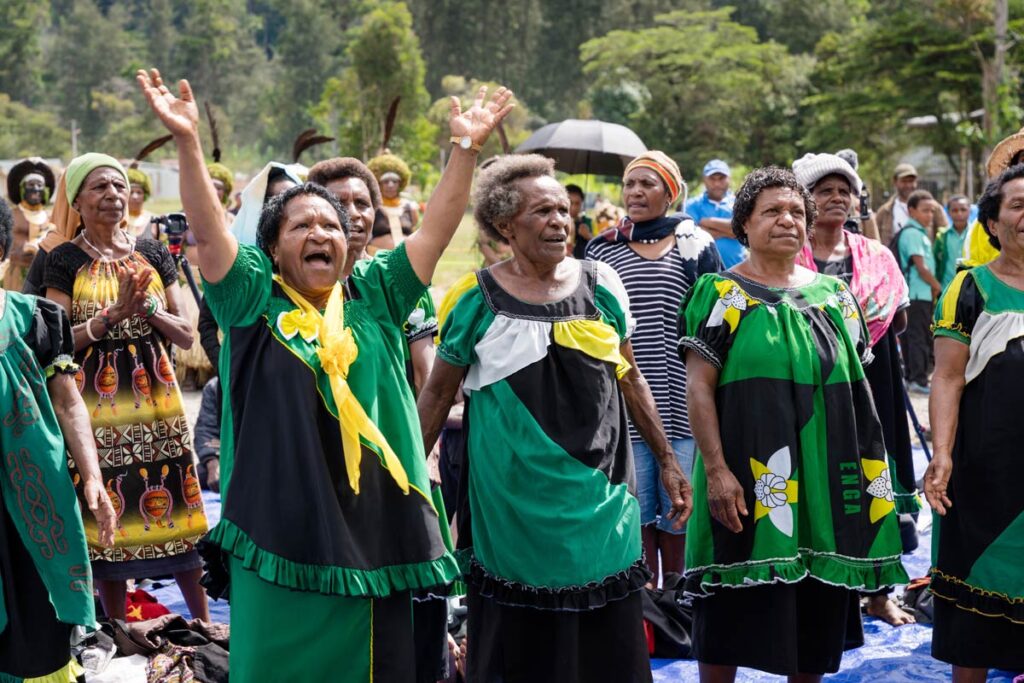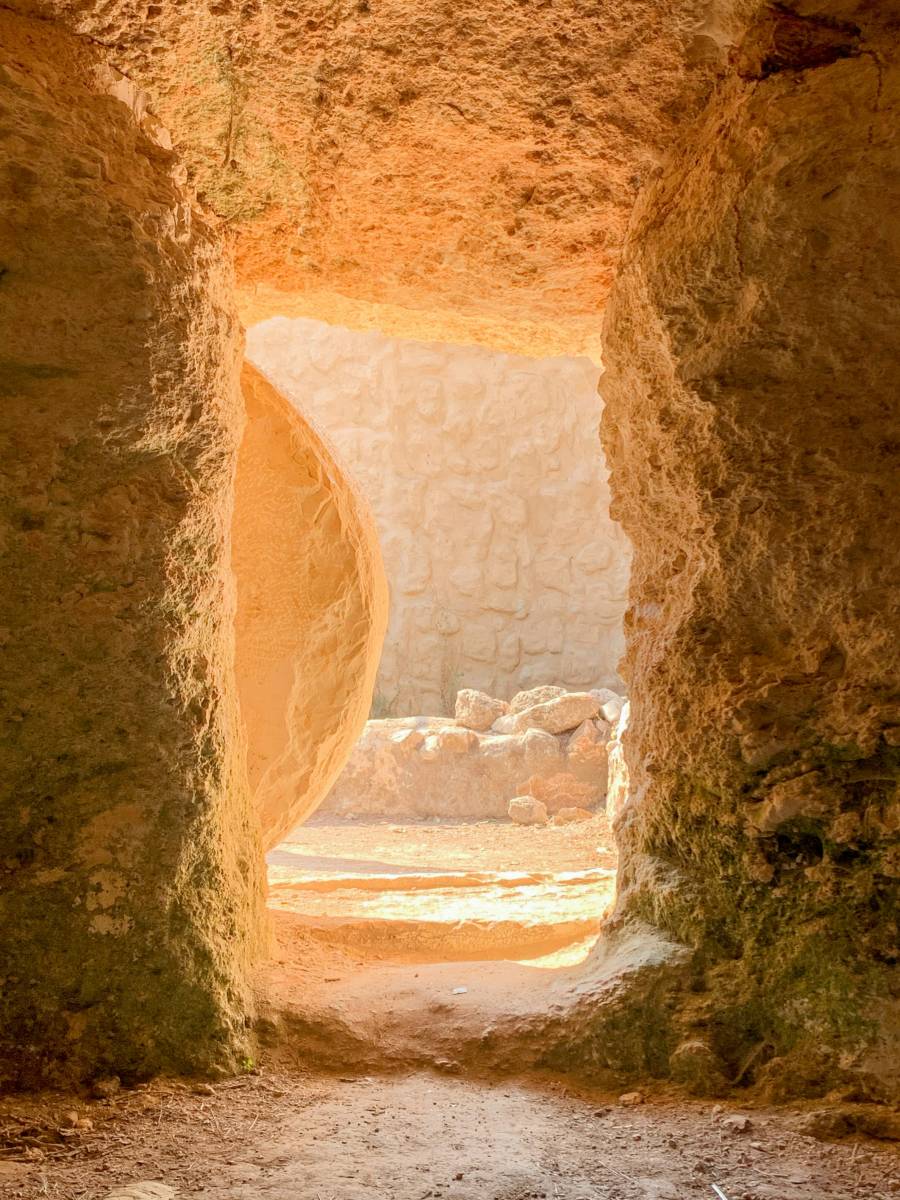
Easter is a celebration of life, hope and victory. Across the world, believers gather to rejoice in the resurrection of Jesus — the moment that changed everything. For many of us, Easter traditions include sunrise services, joyful worship and reading the story of Jesus’ death and resurrection in the Bible.
Because Jesus defeated death, we can have hope in this life and in eternity.
But imagine if you had never experienced this story in a language you fully understand. For millions of people today, this is their reality. They don’t yet have access to the truth of Matthew 28:6: “He isn’t here! He is risen from the dead, just as he said would happen” (Matthew 28:6a, NLT).
God is at work around the world as communities receive Scripture in their own languages — some people for the first time. When people read, hear or see God’s Word in a way that resonates with their hearts, they encounter the risen Christ.
Easter is more than a holiday — it’s a reminder that Jesus’ resurrection changes everything. Through Bible translation, the gospel is reaching more people and cultures, bringing transformation and new life!
How Easter Is Celebrated Around the World
From festive meals to sunrise services, people around the world commemorate the resurrection in unique ways. Although Easter traditions vary across cultures, many celebrations consistently declare the same truth — Jesus is alive!
Pacific: Experiencing the Resurrection Through God’s Word
The Pacific is home to thousands of islands, each with its own landscapes, cultures and traditions. In New Zealand and Australia, Easter falls during autumn, and many people enjoy eating hot cross buns — a spiced sweet bread marked with a cross.

While we typically associate Easter with images of rabbits in the U.S., some Australians don’t use rabbits for their Easter festivities because they’re considered to be pests. Instead, they use the holiday to celebrate an endangered Australian animal called a bilby. It has long ears and looks similar to a rabbit, so they dub the animal the “Easter Bilby.”
In Vanuatu, an island nation in the South Pacific, Easter week centers around church activities, including a sunrise service on Easter morning. Worshippers gather to reflect on Christ’s sacrifice and proclaim His resurrection with joy.
Celebrations in the Pacific are shaped by rich traditions, but many communities still long to experience the story of Jesus’ resurrection in their own language. Through Bible translation — like the innovative workshops in the Solomon Islands that bridge the gap between oral communities and access to God’s Word — more people are encountering Jesus in Scripture. These efforts are deepening and transforming their faith, helping them better grasp the hope found in Him.
Africa: A Joyful Celebration, A Need for God’s Word
Easter is widely celebrated in churches throughout Africa: From Maundy Thursday to Resurrection Sunday, churches are adorned with butterflies, flowers and bright colors.
In Ethiopia, Christian churches celebrate Fasika, the 55 days leading up to Easter. Fasika is actually a bigger deal to people than Christmas! During this holiday celebration, people spend 55 days fasting from meat and animal products.
The night before Easter, Christians have a vigil that begins somberly; but when morning comes, dancing and music break out!
In South Africa, the day after Easter is known as Family Day, designed to provide a chance for loved ones to gather and reflect on the holiday’s meaning.
From vibrant vigils to weeks of fasting and prayer, Christians across Africa rejoice in Christ’s victory over death. But for many, the story of Easter is not yet available in their own language. As Bible translation continues through church-led partnerships in countries like Nigeria and Madagascar, more people are discovering the power of the resurrection in the words of Scripture, bringing lasting hope to their communities. Every new Scripture translation allows more people to encounter the risen Christ in a deeply personal way.
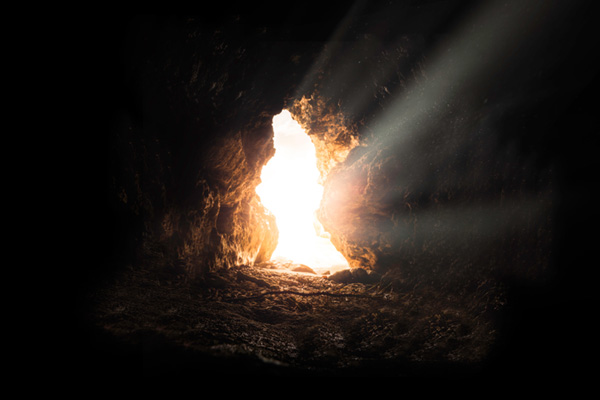
Asia: The Resurrection in Every Language
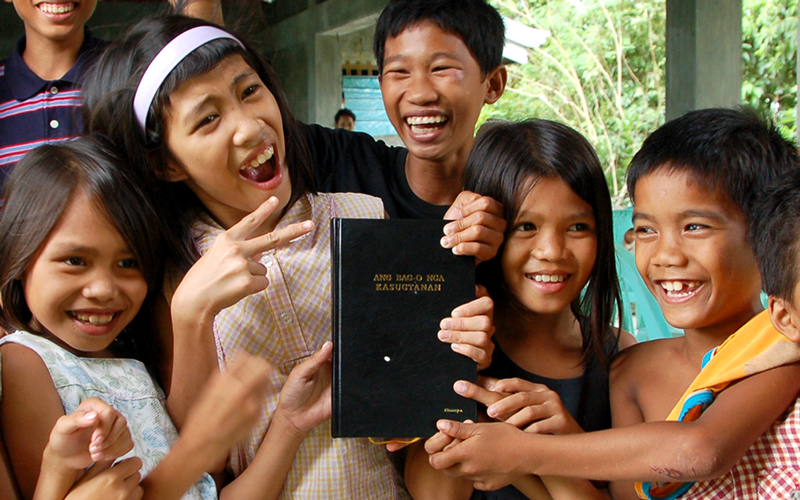
Asia, the world’s largest continent, is home to countless cultures and Easter traditions. In the Philippines, Easter morning begins with two separate processions — the men are in one procession and follow an image of Jesus risen from the dead while the women make up another procession and follow an image of Jesus’ mother, Mary, who’s wearing a black veil. The two groups meet at the church as a symbol of Jesus comforting Mary after He was raised from the dead. Then girls who are dressed up as angels for Easter take off Mary’s veil (called a lambong) and people celebrate!
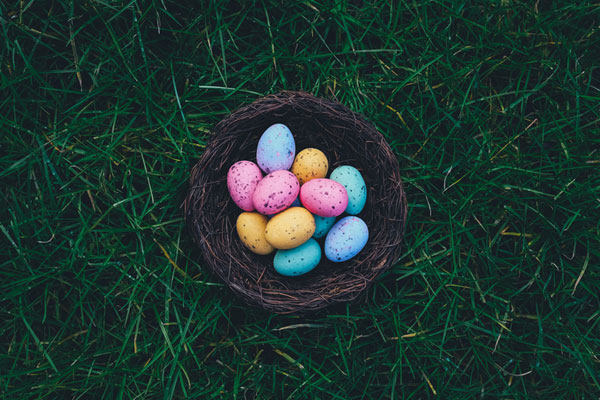
In India, where Christians make up a small percentage of the population, people celebrate Easter as a “spring festival.” While egg dyeing and decorating is not common, many purchase elaborately decorated eggs and give them as presents to their children.
Asia’s vast diversity means the holiday is celebrated in many different ways. On a continent with thousands of languages, millions of people are still waiting to encounter Scripture in their own language and format.
But God is at work, bringing His Word to both spoken and signed languages in Asia — including Thai Sign Language, the primary sign language of the Deaf community in Thailand. As a result, more people in Asia are encountering the risen Christ through His Word.
When people learn about Christ’s resurrection in their own language, Easter takes on new meaning, bringing renewed hope and transformation.
Europe: Re-encountering Easter Through Bible Translation
Europe has a long history of Easter traditions. In Orthodox Christian countries like Romania, Serbia and Greece, people celebrate the holiday one to two weeks later than in other parts of the world because Orthodox churches follow the Julian calendar. In Germany, families decorate Easter trees with painted eggs, much like Christmas trees in December.

In Poland, families gather for Easter Sunday breakfast, which often includes a sweet bread called babka. On Easter Monday in France, something unique happens: Volunteers in the French town of Bessières gather to cook a giant omelet. Thousands of eggs are cracked and cooked to create this huge dish. So why do they do this?
Tradition says that Napoleon and his army were traveling through the south of France one day and stopped in this small town. They ate omelets there, and Napoleon liked them so much that he ordered the townspeople to gather their eggs and make a giant omelet for his army the next day.
Bessières has been doing this holiday tradition since 1973!
From egg-decorated trees in Germany to the grand feasts of Eastern Europe, the resurrection of Jesus remains at the center of many celebrations. And God is working in hearts and lives across Europe to bring His Word to people still waiting — like the Eastern Slovak Romani people who finally received their complete Bible in 2023!
We rejoice that God is moving in Bible translation through partnerships between like-minded organizations and local churches so everyone can encounter Him through translated Scripture in their language.
Americas: Bringing God’s Word to Every Community
Easter traditions across North, Central and South America reflect the region’s deep cultural diversity. In Bermuda, families fly colorful kites on Good Friday. The tradition started one year when a teacher wanted to help his students learn about Jesus ascending to heaven. So he took a kite decorated with Jesus’ face on it and let it soar into the sky to illustrate His ascension.
In Colombia, Easter Sunday isn’t celebrated with a lot of fanfare, but Holy Week draws thousands into the streets for solemn processions and church services. Many people go on vacation during Holy Week, while some travel from bigger cities to smaller Colombian towns for traditional Holy Week processions and to observe decorations in churches.
In the United States, Easter often brings communities together for church services, egg hunts and an abundance of sweets. Families gather to worship, celebrate and reflect on Jesus’ resurrection.
Many people in the Americas still lack access to God’s Word in their own language. Deep in the Amazon, communities like the Piapocos are eager to begin translation work so that they can have Scripture in a way that touches their hearts.
No matter where people live — in cities or villages or isolated islands — everyone deserves to encounter the risen Christ in a language that touches their heart.
Bible translation is making this possible. As more people in the Americas receive Scripture in their own languages, they can truly understand and celebrate the resurrection of Jesus, our Savior.
A Global Celebration of the Risen Christ Through His Word
This Easter, as we reflect on Christ’s triumph over death and celebrate with our own unique holiday traditions and treats, let’s also pray for those still waiting to encounter Him through His Word. Through Bible translation, the Good News is reaching every nation so that all people will come to know the risen King. May we take the time this season to remember the significance of 1 Peter 1:3-4 (NLT):
“All praise to God, the Father of our Lord Jesus Christ. It is by his great mercy that we have been born again, because God raised Jesus Christ from the dead. Now we live with great expectation, and we have a priceless inheritance …”
Learn how you can partner with Bible translation and help bring the message of Easter to every language and every heart.
This content is adapted from our fun family activity, “Easter Around the World With Kate & Mack.”