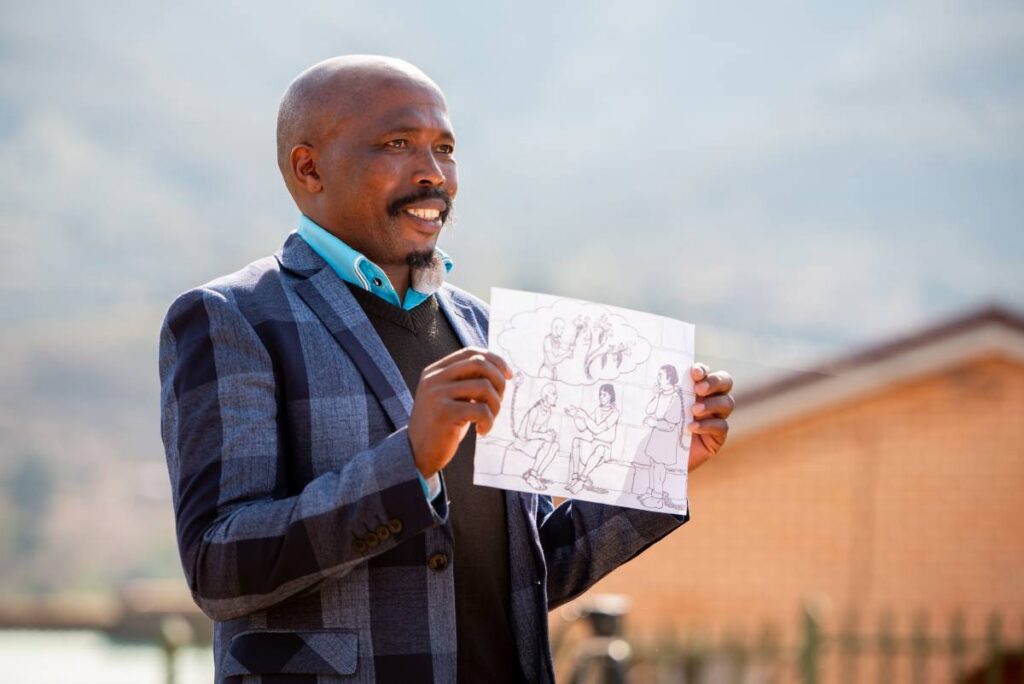
Ownership.
This term can sometimes make us feel a little possessive. Even children quickly learn to say, “Mine!”
But in the Bible translation space, we view ownership more along the lines of how Merriam-Webster defines it: “The quality or state of being accountable; responsibility.”
When someone is accountable and responsible for something, they have greater buy-in to see something accomplished. They feel a sense of ownership in the most positive ways. It’s not just a “mine” for an individual’s sake but an “ours” for a community’s sake.
This approach is exactly what we’re seeing in the global Bible translation movement. For more than 80 years, Wycliffe and like-minded organizations have led efforts to advance Bible translation around the world. Until recently, Bible translation has been viewed as something that only linguistic experts with degrees could do.
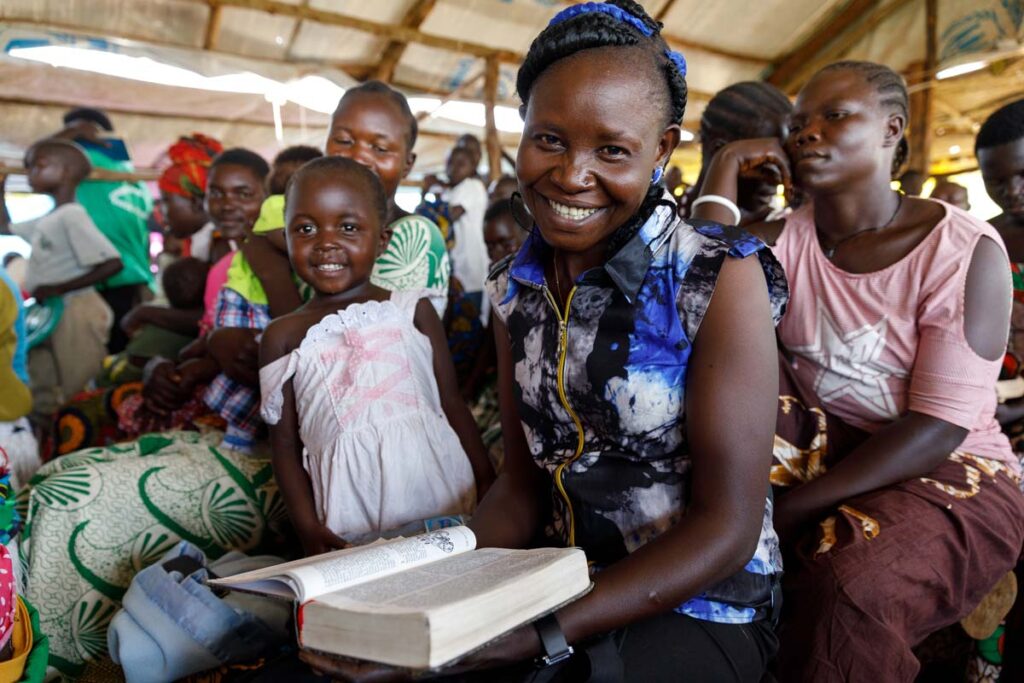
But praise God, that’s changing! Today local churches are asking for — and even starting — Bible translation themselves. They don’t want to wait for the work to start; they want to start it now. And they want to start it now because they are owning the accountability and responsibility of seeing translation accomplished for their own communities.
This pivot in how Bible translation is initiated is accelerating the pace of the work in incredible ways! As a result, the work is moving faster than ever.
A Church-Owned Approach
Historically, Western missions was built upon the premise that people around the world needed to have the gospel brought to them. And that premise wasn’t wrong! But today, in a digitally connected world, there is a significant shift in the approach to global missions — and it’s impacting everything from Bible translation to Scripture engagement and more.
Today, local church leaders recognize that a lack of Scripture is a massive barrier to evangelism, discipleship, church planting and other forms of ministry. Rather than expect Western missions to close this gap, they want to close it themselves!
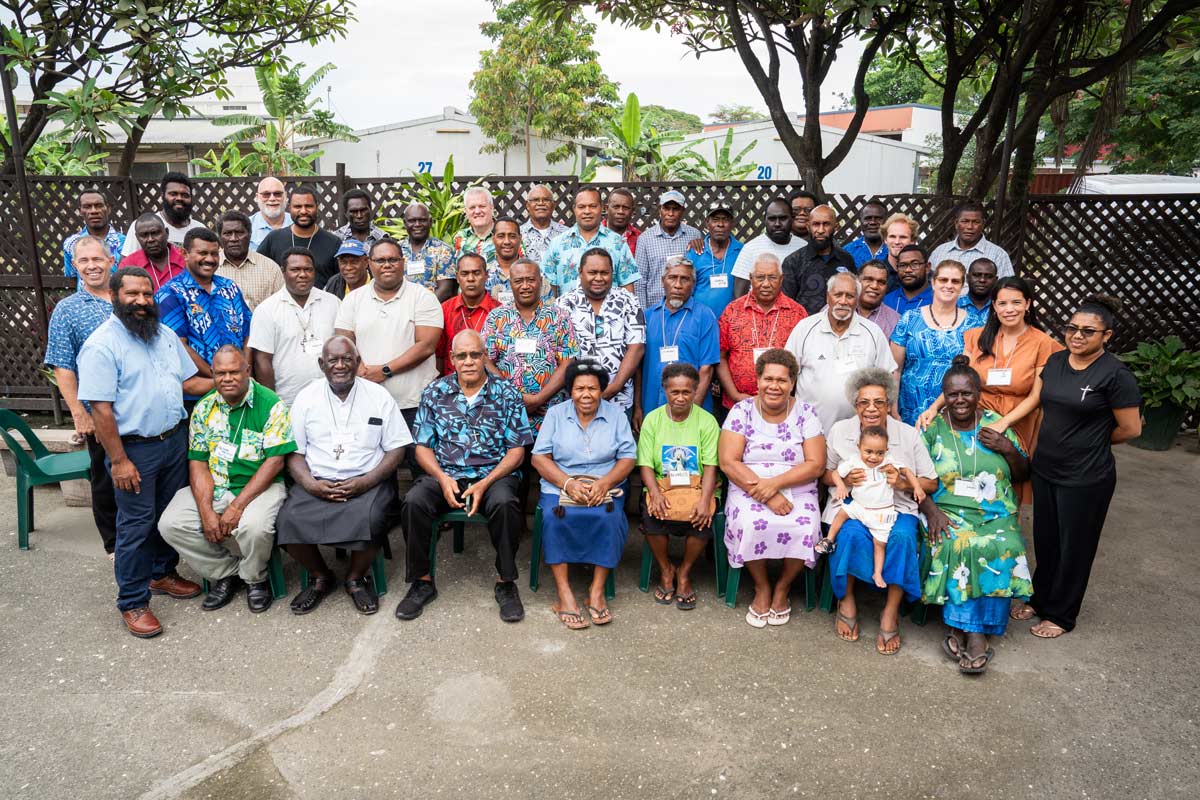
As churches increasingly take ownership and Bible translation accelerates, Wycliffe transitions to the critical role of catalyst in the movement worldwide. Decades of expertise strategically position us to support local leaders in accomplishing their vision through technology, resources and funding. This empowers the local church to own the work in their communities, countries and even entire regions.
One such region is the Pacific, where some of the highest remaining needs for Bible translation exist. This linguistically diverse part of the world experiences significant isolation and hardship. Because of the Pacific’s numerous islands, communities have been separated from each other, resulting in unique languages — sometimes just a few miles away from each other!
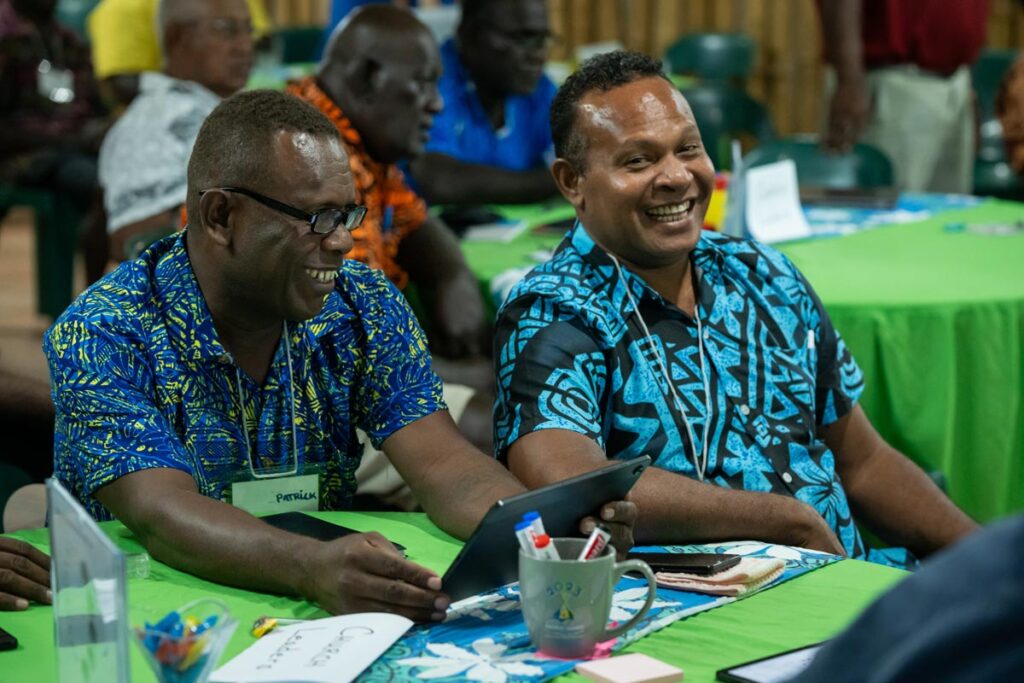
But interest is rapidly spreading across the Pacific in response to what God is doing. Churches, denominations and church networks aren’t willing to wait anymore for Scripture in their own languages. They deeply desire to see God’s Word made available in all of their communities so that people can be transformed.
The workforce required to reach these languages is significant. But God is raising up the workers from within churches across the Pacific region, and we praise God for this!
Bible Translation Efforts in the Solomon Islands
Today there are more than 80 languages in the Solomon Islands. Of those, approximately half have experienced some translation work. But that doesn’t mean that translation work is always able to continue.
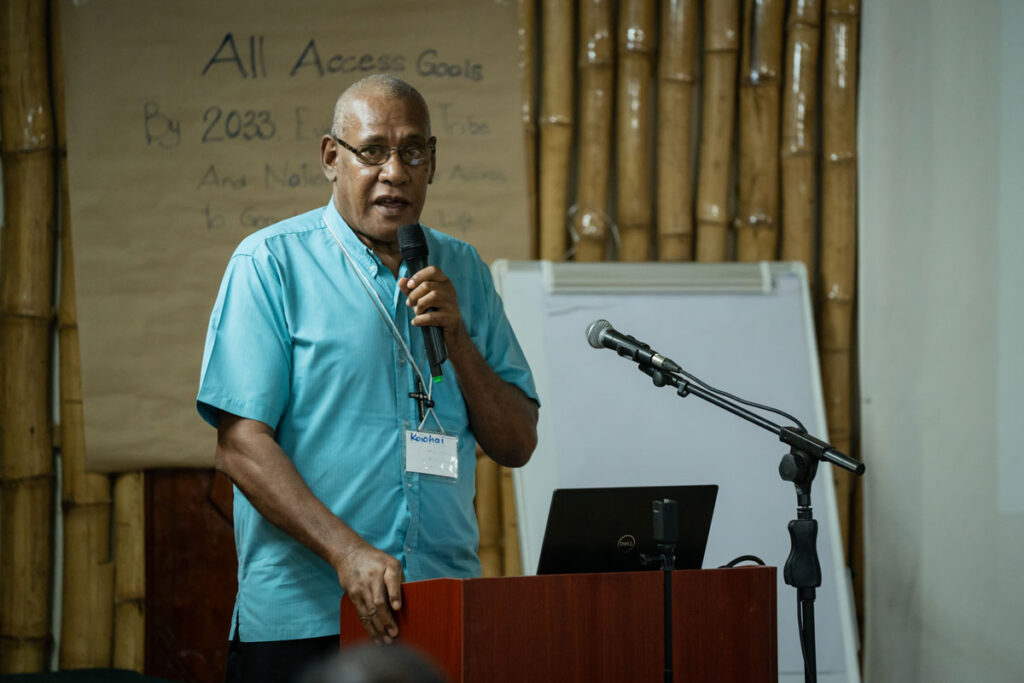
“My language is one of the hardest languages in the Solomon Islands,” said Rev. Hillary Bero, a Tuou translator and leader in the United Church of the Solomon Islands. “We don’t have any sister language that we can adapt from. It is our own language, and there is a great need for the people of my language to have our language translated within the Word of God and also through the hymns … in our mother tongue. And when the people start to use them, they can feel the presence and the power of God that is expressed through the words of our language.”
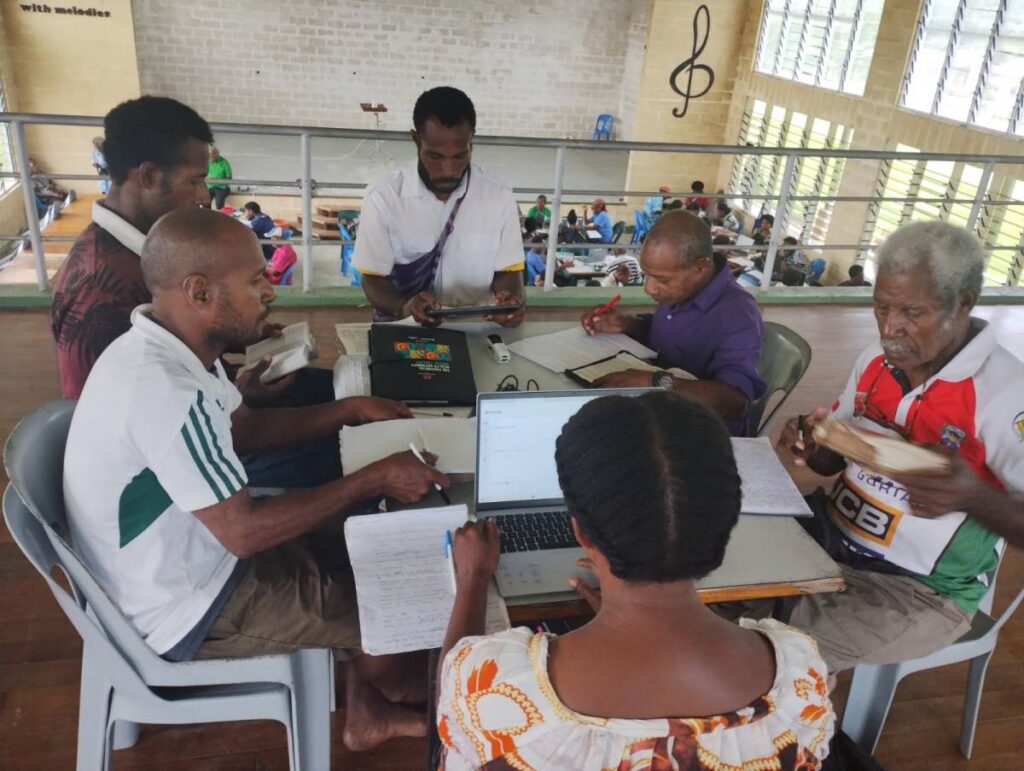
The local church in the Pacific is excited about translation and has said, “We want to do this!” A process has been developed in partnership with Every Tribe Every Nation (ETEN) to answer the question: “How can we leverage the competencies of local church pastors and their communities across the Pacific to lead translation at a pace that they determine and in the places where they want to start?”
This church-owned approach to Bible translation literally means that the church and community are choosing people to participate in the work. Together, they are saying, “This is important to us!” The result is that people experience accountability and responsibility personally.
Rev. Jo Tuitoga, a field coordinator with Global Partnerships, said: “I can see that one of the strengths of [church-based Bible translation] is bringing the translation work to the church to be part of their ministry.”
An Oral Culture Needs an Oral Bible
For a community to engage with Scripture, it needs to be available in a language and format they clearly understand. In the Solomon Islands, literacy rates are very low, so providing a written translation of Scripture wouldn’t make it accessible to people.
But a few years ago, American Bible Society created a software called the Audio Visual Translation Tool. This interface has been modified to meet the needs of remote communities that may not have internet or local power so that their translation work can be accomplished.
This tool equips translators to bring God’s Word to life through audio — a culturally appropriate way of conveying stories and significance through oral communication.
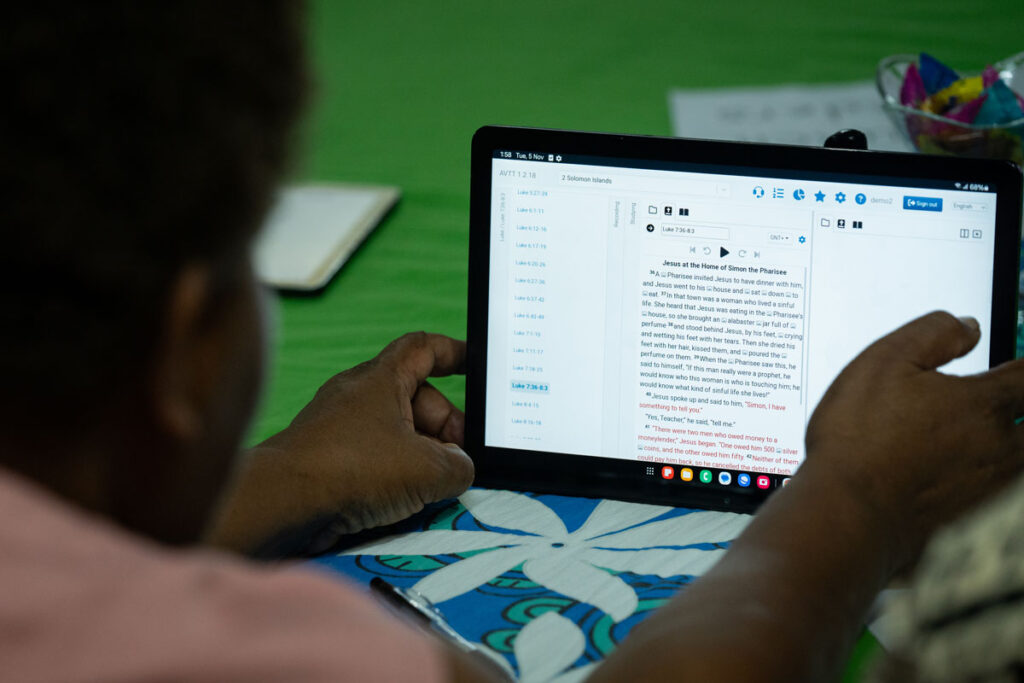
“[The translation] fits well because of the custom story we engage [with] at home,” said Sister Cecilia Legani, a Savosavo translator. “Every evening we go to grandmother — we listen to the grandmother — as she tells us the custom story. And we relate to this. … [It] means something that we capture, we’ll never forget it. It stays with us. We go out to the village, sharing the Good News with people, and that Good News itself will speak to the people, and it will change the people.”
The church isn’t asking for a lesser-quality translation of the Bible. They are merely asking to see the work accelerated so that their people can have access to God’s Word in a way that captures their hearts and transforms their lives forever! That’s why we’re working together to ensure that communities receive a quality translation of Scripture — one that is clear, natural and understandable — so that they can experience Jesus personally.
A Call For Us All
It takes all of us to see God’s Word made available in languages around the world. Each of us has a role to play, including you!
“What excites me most is the collaborative work that we’ve done together,” said Rev. Dr. Edward Kolohai. “You people from the global North and for us in the global South, we work together in order to improve the standard of our knowledge about the Bible and how we look at issues around us.”
This is exactly what we’re experiencing in the global Bible translation movement: a new way of collaborating together that is changing the landscape of the work in incredible ways!
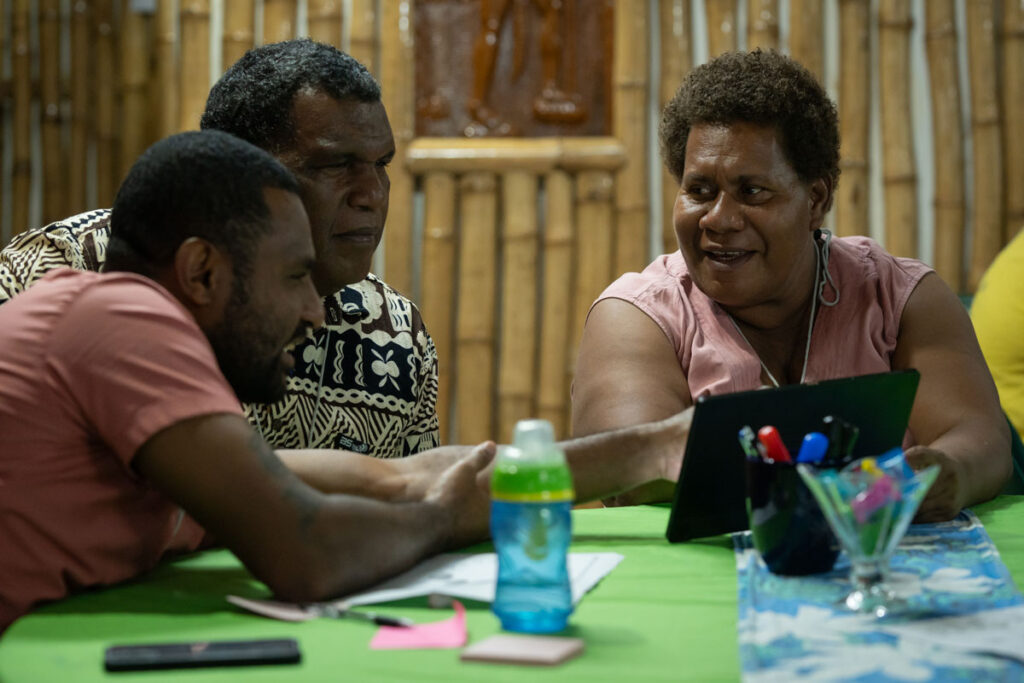
In 1 Corinthians 12:27, Paul writes: “All of you together are Christ’s body, and each of you is a part of it” (NLT; emphasis added). Our parts might look different, but they all add up to one body of Christ. In the Kingdom, 1 + 1 + 1 + 1 + …. (you fill in the number) doesn’t equal some ever-increasing number. It all adds up to one body — Christ’s body.
So what part do you play? Perhaps you’re gifted in …
- Linguistics and you want to use your academic knowledge to further the Kingdom. Then explore what it might look like to serve in a strategic role!
- Intercessory prayer and you feel called by God to approach His throne on behalf of people. Then join the Wycliffe Prayer Community and intercede for brothers and sisters around the world who need your prayers for their families and their work.
- Encouraging people to take action and join a cause. Then look at all the ways you can invite people to participate — whether in your own family, community or church — to be part of this Kingdom work.
- Finances and generating wealth. Then explore how God might be using you to financially steward what He’s provided to make a Kingdom impact.
There’s no right or wrong way to participate in this work. God calls each of us to find our best fit and do something with the time, talents and treasures He’s given us to steward on this side of eternity.
One day we’ll have the joy and privilege of worshipping alongside people from every nation and language, knowing that we played a part in seeing the gospel go out to the furthest corners of the globe. What an incredible day that will be!
With that in mind, we will continue to press forward, asking God to equip us to collaborate with His global Church so that all Scripture is available for all people. To God be the glory!