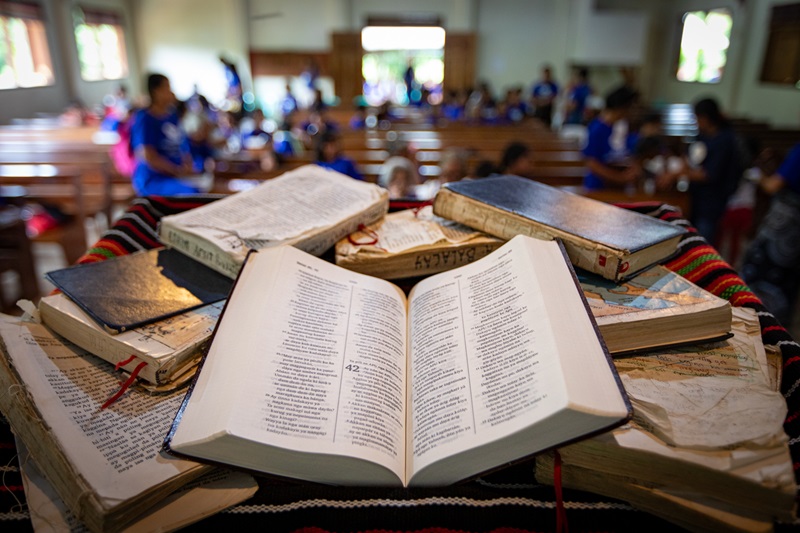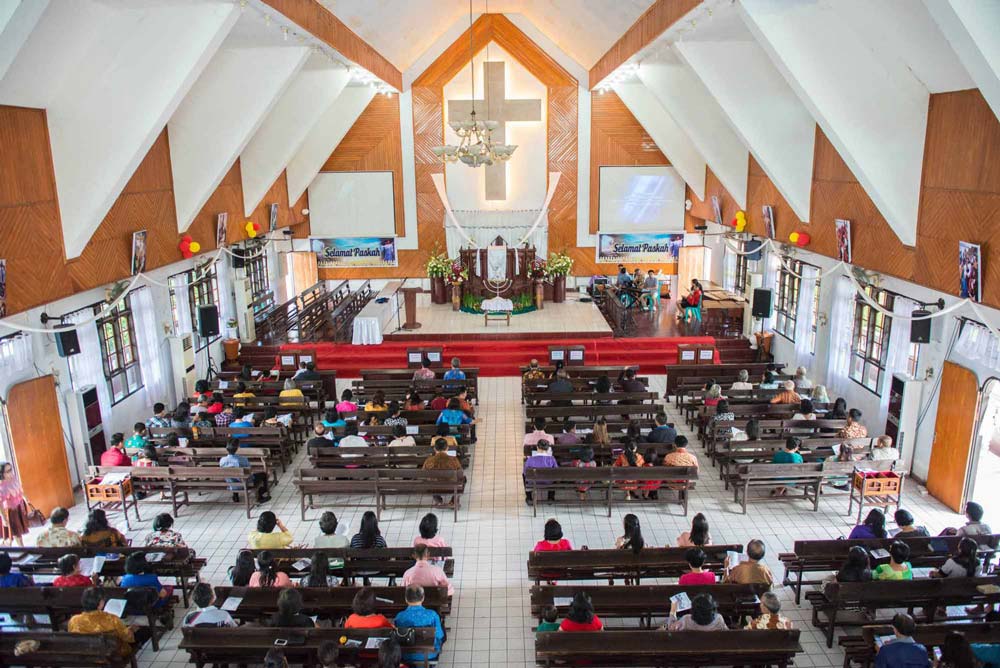
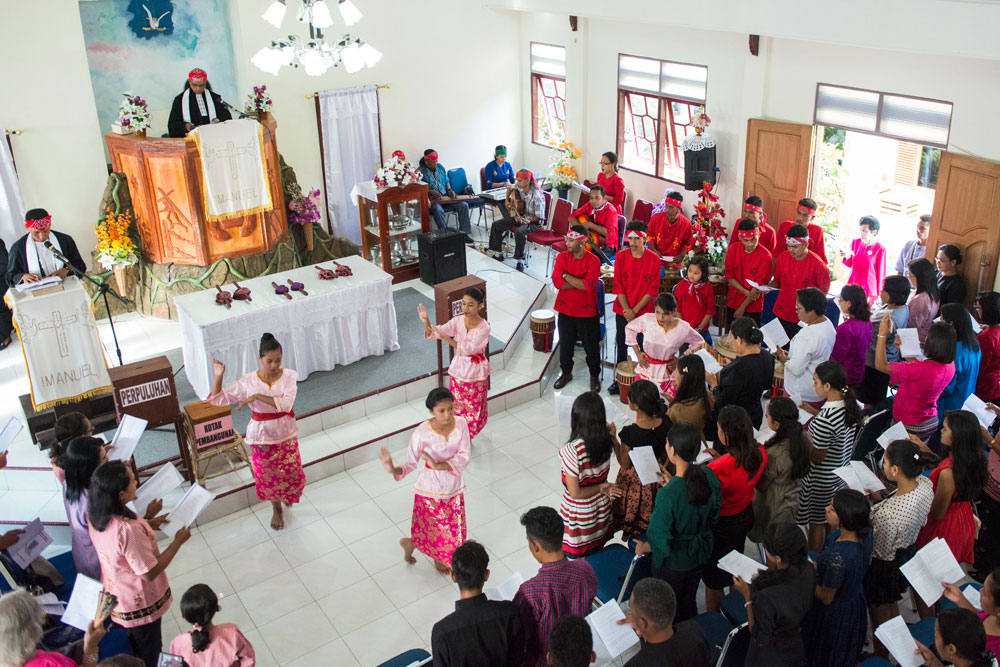
In Indonesia, Sunday morning is a ceremonial routine. Families arrive dressed in their Sunday best and settle into pews before a large, ornate podium. The robed pastor steps up and begins to preach — in formal Indonesian, a language few will use again that day, but one that tradition still holds for the pulpit.
The congregation flips through the liturgy or fans themselves with it. A grandmother snaps a selfie with her fidgeting grandbaby. They come. They follow the rhythms. They leave. For many, this has been “church” for generations.
But thanks to Bible translation, a fresh wind is stirring.
A Shift in Language and a Shift in Understanding
“Historically, Indonesian was emphasized as the language to be used in education, government and religion,” said Jon Richards, Wycliffe USA’s eastern Indonesia partnership facilitator. “This was primarily done to create national unity across Indonesia.
Today Bible translation teams are hard at work across Indonesia to help people think about language differently. They’re bringing the Scriptures into the local languages people use at home and relate to most.
Every church has a unique role in bringing God’s Word to those still waiting — and your church’s involvement can make a difference!
Learn how you can help your church participate in Bible translation together! →
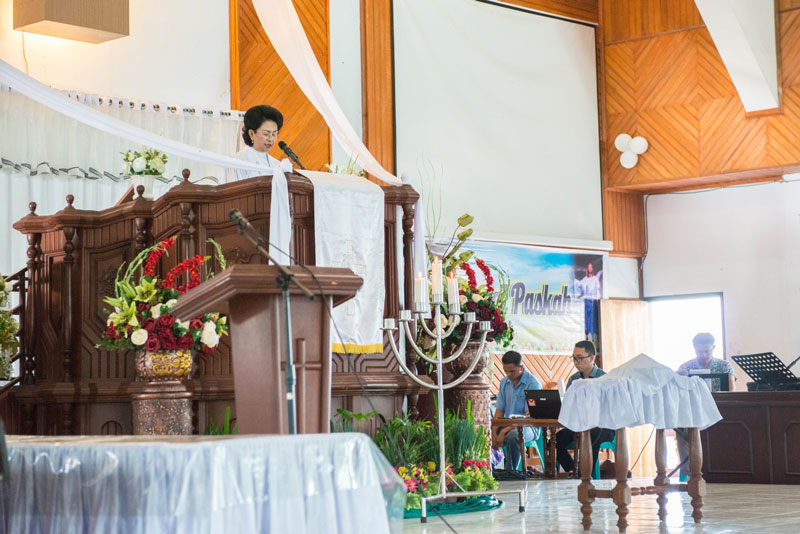
On Ambon Island, New Words Are Bringing New Life
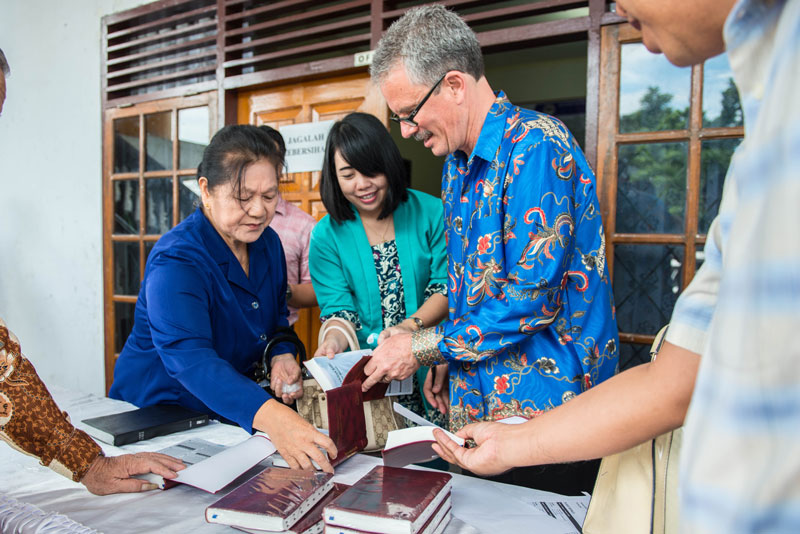
One translation team on Ambon Island worked hard over the years, translating the entire Ambonese Malay New Testament. Praise God: They published and dedicated the New Testament in 2022!
Jon’s wife, Stephanie, led the Ambonese Malay team. It started with talking to pastors in the area about preaching and reading the Scriptures in local languages instead of Indonesian. It was difficult for most to imagine, both because of the historical precedent and also because all of their training and experience were based on communicating in Indonesian, creating a long-standing habit.
But Stephanie and her team challenged this. What if sermons were given in simple, everyday language, and the congregation understood them clearly? What if talking to God and reading His Word could be personal? What if you could do it as naturally as though you were talking to your earthly dad?
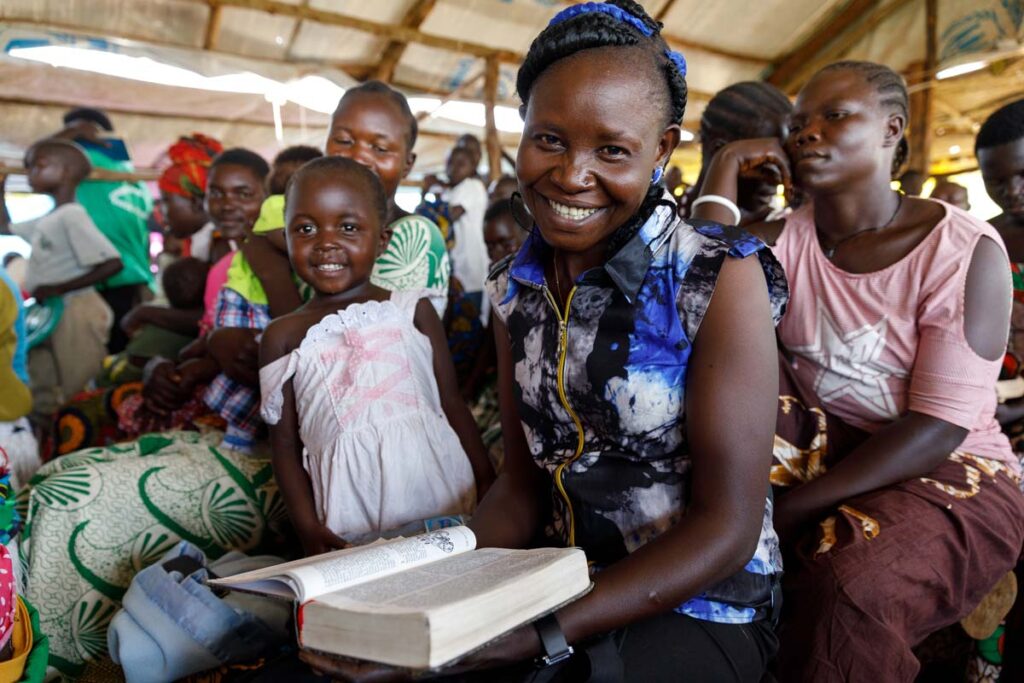
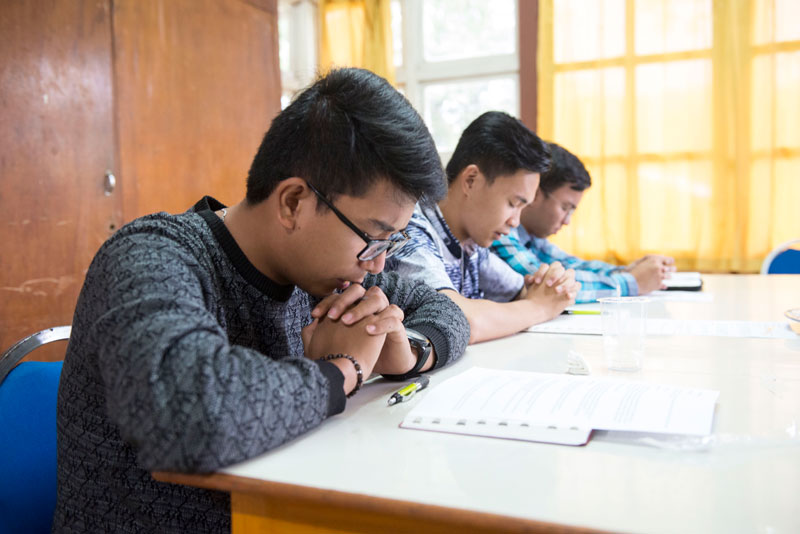
“Quite a few churches have started using the Ambonese Malay Scriptures and Ambonese Malay liturgy, and getting used to praying in their language,” said Carrie Beckley, a translation facilitator for the Ambonese Malay team. “I’ve heard of people actually sitting on the edges of their seats listening to pastors preaching in Ambonese from the Ambonese Scriptures.”
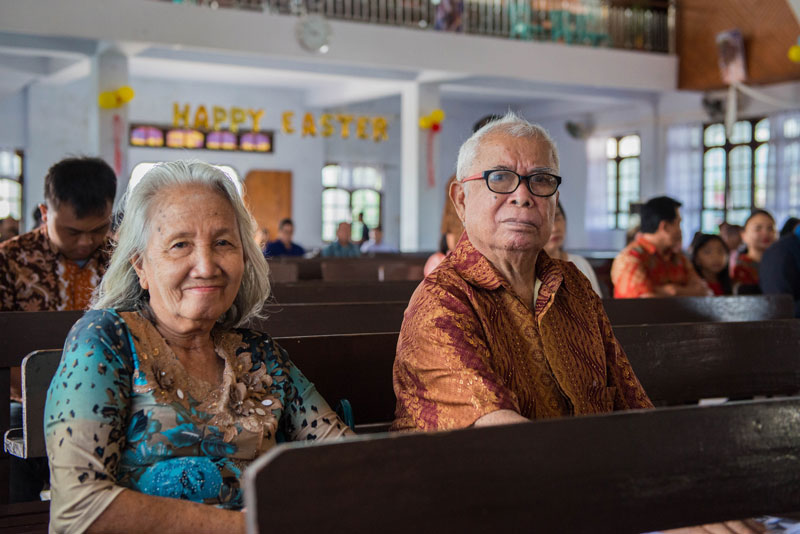
“But you can see the emotion that people feel when they’re praying in the same language that they would speak to their mom or dad at home.” And the impact isn’t just for the congregations, but for the pastors too. Pastor Athes Werinussa, chairman of the Protestant Church of Maluku synod, noted:
“For true spiritual growth and development, you need to use a language people understand.”
He continued: “If I use Ambonese or another local language, I get goosebumps. For me, it’s a spiritual experience.”
From a Religious Role to Personal Faith
In this collectivist society, Indonesians place a lot of importance on what they can contribute to their community. If a person does something shameful, for example, it brings shame on the whole family. If someone does something good, it reflects well on the whole family.
“They’re very group-focused. Their lives and their personal identities are oriented around, ‘Who am I within the context of the group? Who’s my family, who are my relations, who are my connections?’” Jon said. One of the highest statuses you can earn is that of a pastor. Some Indonesians become pastors not necessarily because they feel called, but because it’s considered a prestigious position and because it’s believed that this kind of job pleases God.
When Yanti Karundeng became a pastor many years ago, she thought it was her ticket to heaven. “I thought that if I went into theology school, that all my sins would be forgiven,” she said. She’s a Manado Malay speaker and, even though she’d been through seminary and had already been a pastor for several months, she didn’t realize she actually wasn’t a believer until she heard the gospel preached in her language. “I was serving people in the church, I was preaching, I was doing all the activities that a pastor does, but I still didn’t have Jesus as the Lord of my life,” she said.
Yanti recalls the day she attended a seminar where her uncle was preaching: “My uncle said if you want to become a true servant of God, where you’re leading people to Christ, you have to surrender yourself first, and then you can help others. I felt something come upon me where it was my time to do something. I needed to respond to the call of Jesus. So I went forward, I knelt down and I received the Lord.”
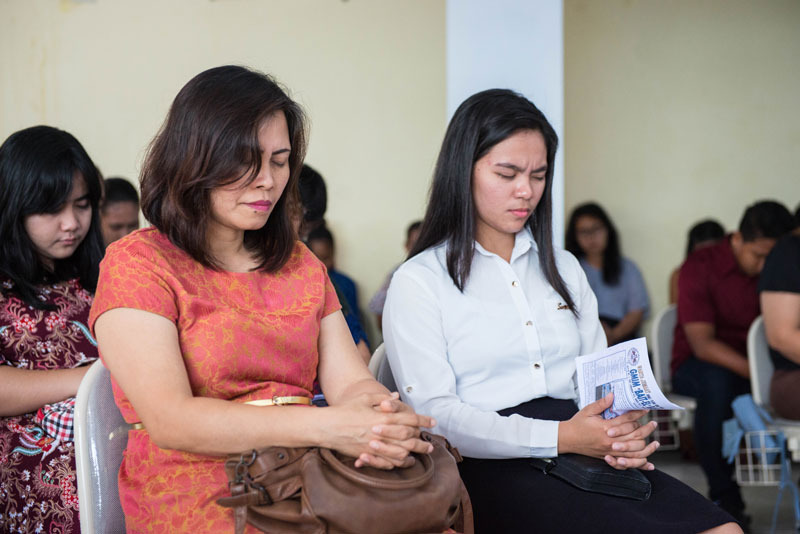
She went to her congregation and humbly told them what she’d discovered. From that point forward, she preached from her heart. “At one point, when I was preaching in the Manado language, there was somebody who was listening to my sermon and started crying. Afterward, I helped lead him to Christ,” Yanti said.
“Ever since then, I’ve realized that having the Manado Malay translation really opens it up for the Manado people to understand what God is saying to them.”
Reading God’s Word Together in Community
Yanti devoted her time to the Manado Malay Bible translation team, helping others engage Scripture in their own language.
“We didn’t see anybody reading their Bible for just the joy of reading the Bible,” explained Ron Whisler, a Wycliffe USA translation adviser. “They might take the Bible to church as something they’d use as the sermon was happening, but it wasn’t affecting their lives. We didn’t see anybody engaging God’s Word for personal growth.”
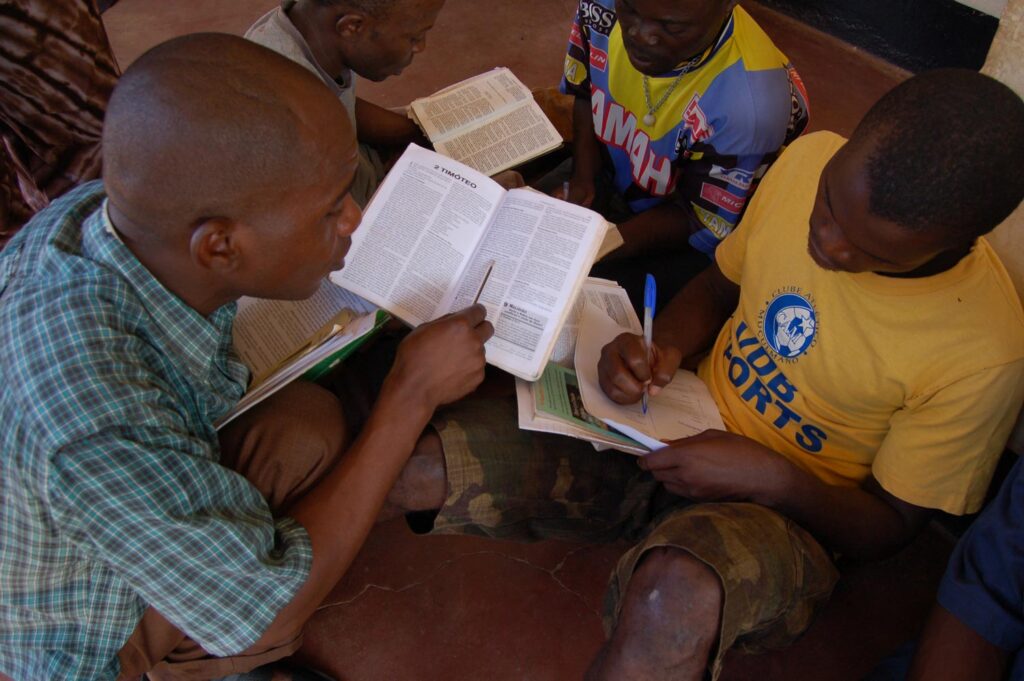
Since Indonesians are most comfortable engaging in groups, a group Bible study seemed like the perfect solution. The Manado Malay team introduced Discovery Bible Studies, and they took off: “Discovery Bible Study, in its simplest form, is a group of people sitting in a circle with a Bible in their lap or in their hands, reading,” said Ron. “There’s no pressure to answer right, it’s just engaging the Word, letting God speak to you and learning from His Word.”
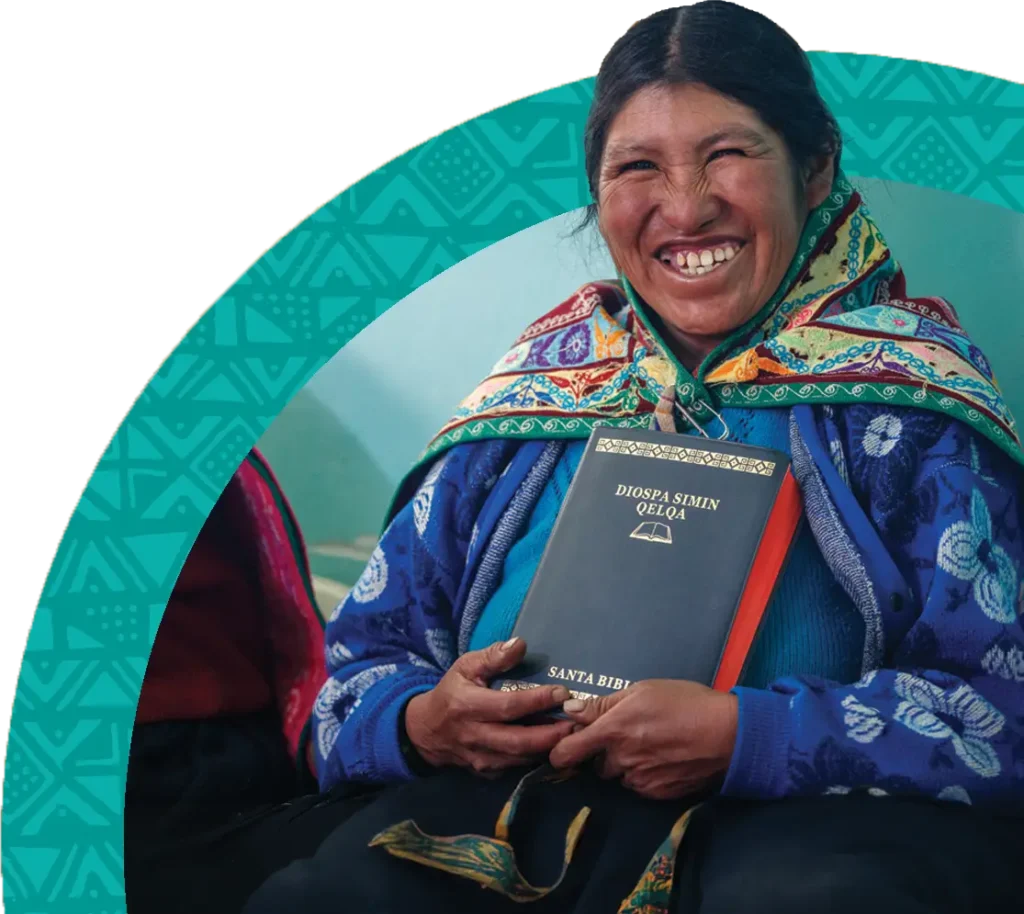
Studying God’s Word in community is a great way to grow in your faith.
Our Great Commission series of devotionals and Bible study materials are designed to help you engage with God’s work around the world, deepen your understanding of Scripture and join the mission to see His Word reach every corner of the globe. You can gather with people from your church and go through a study together!
Check out our free devotionals with corresponding small group guides →
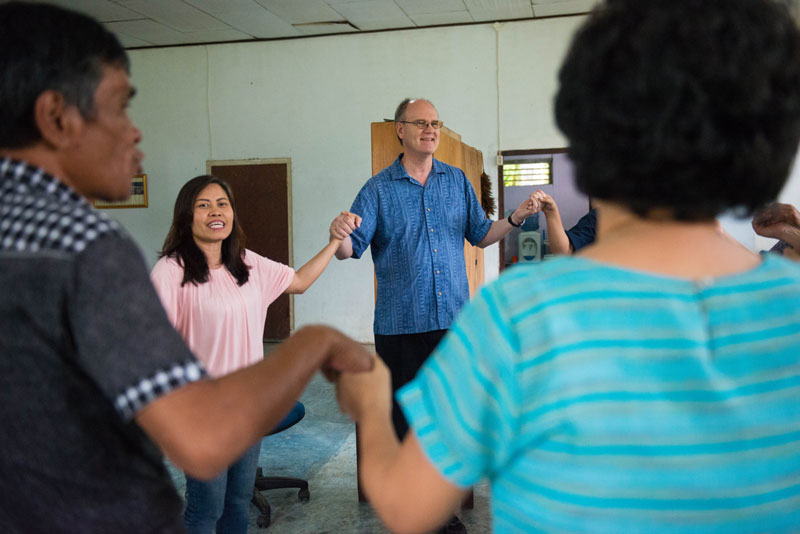
Participants are challenged to take what they’re learning and share it with others who might not understand the Scriptures yet, and as a result the Bible studies have spread. Today there are dozens of Discovery Bible Studies happening throughout the Manado region.
Yanti has noticed a big impact in Manado Malay churches too: “Now a lot of churches are beginning to use the Manado Malay translation in their worship services. Many people are using the [translated] Bible in their quiet times. Many people have been changed as they’ve read the Bible in their own language.”
Meeting People in Their Pain
One of the things translation teams in Indonesia are most grateful for is the way Bible translation has led to increased relationship between church leadership and the communities they serve.
As the leaders of the church in Ambon have become more connected, they’ve noticed something about their congregations: They are hurting. Though walls have been rebuilt, emotional wounds remain.
The church leaders in Ambon asked the translation team if they had any tools to help. Stephanie was overjoyed to be able to offer their Scripture Engagement ministry: “Scripture engagement is the area that really gets me excited, because that’s where the translation really meets the people,” she said.
“It’s the activities we do that actually bring people to interact with the Word.
“We hold workshops that help walk people through Scriptures. They use Scriptures in Ambonese Malay and stories about different types of circumstances that help people relate … [God’s Word] to the trauma in their own lives.”
The trauma healing workshops are conducted by Matt Connor, a Wycliffe USA ethnomusicologist, and Olce Saleky Akse, an Indonesian Scripture engagement specialist.
Olce remembers teaching participants how to create devotionals using the translated Word: “They said, ‘Wow, this is God talking directly to me.’ Before that point, they had never heard God’s Word in Ambonese. It’s the language that is closest to their hearts. It’s important to me because my life has changed as a result of understanding God’s Word. And so I think other people need to be able to have that experience too.”
Rooted in Identity, Flourishing in Faith
Thanks to the translated Word, churches throughout Indonesia are embracing the Scriptures in local languages and the beauty of how God created their culture.
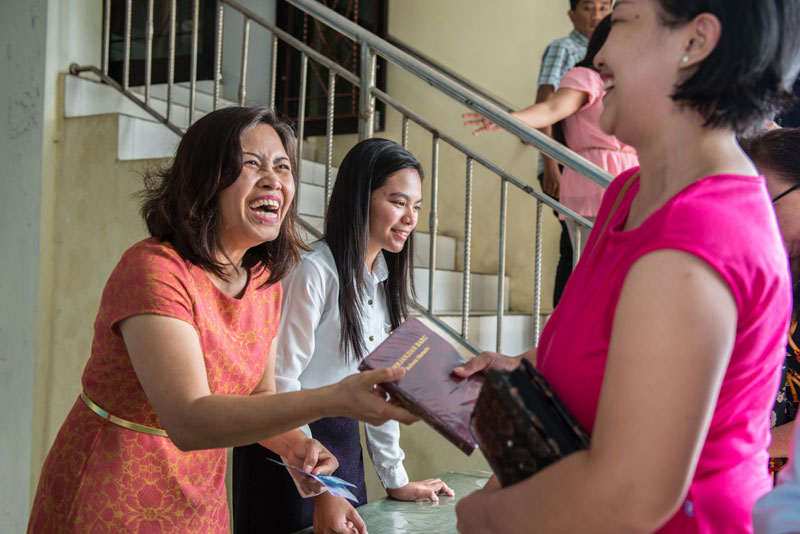
In Ambon, for the first time in the history of the Protestant Church of Maluku, once a month the church will hold services entirely in the region’s local languages!
Why Milestones Matter: Imagine a Day When All People Worship
Bible translation is a journey. Each step — from the moment a team translates the verse of Scripture to the time a complete Bible is dedicated in a community — is cause for celebration.
Exciting progress like the launch of Ambonese Malay liturgies or the spread of Discovery Bible Studies reflects this truth: God is at work in people’s hearts and lives through Bible translation efforts! He is transforming individuals, communities and entire churches, deepening people’s relationships with Him and His Word
These Bible translation milestones inspire our faith, build unity across the global Church and further our longing for the day when all people have access to God’s Word in their language. Many communities are still waiting for the full counsel of God’s Word, but stories like the ones unfolding in Indonesia encourage us along the way.
Let’s thank God for what He has already done and press on, because every chapter a team translates, every sermon a pastor preaches in his or her own language and every prayer that is lifted to God for Bible translation draws people’s hearts closer to our promised future: a day when people from every nation, community and language will stand before the throne and worship God (Revelation 7:9).