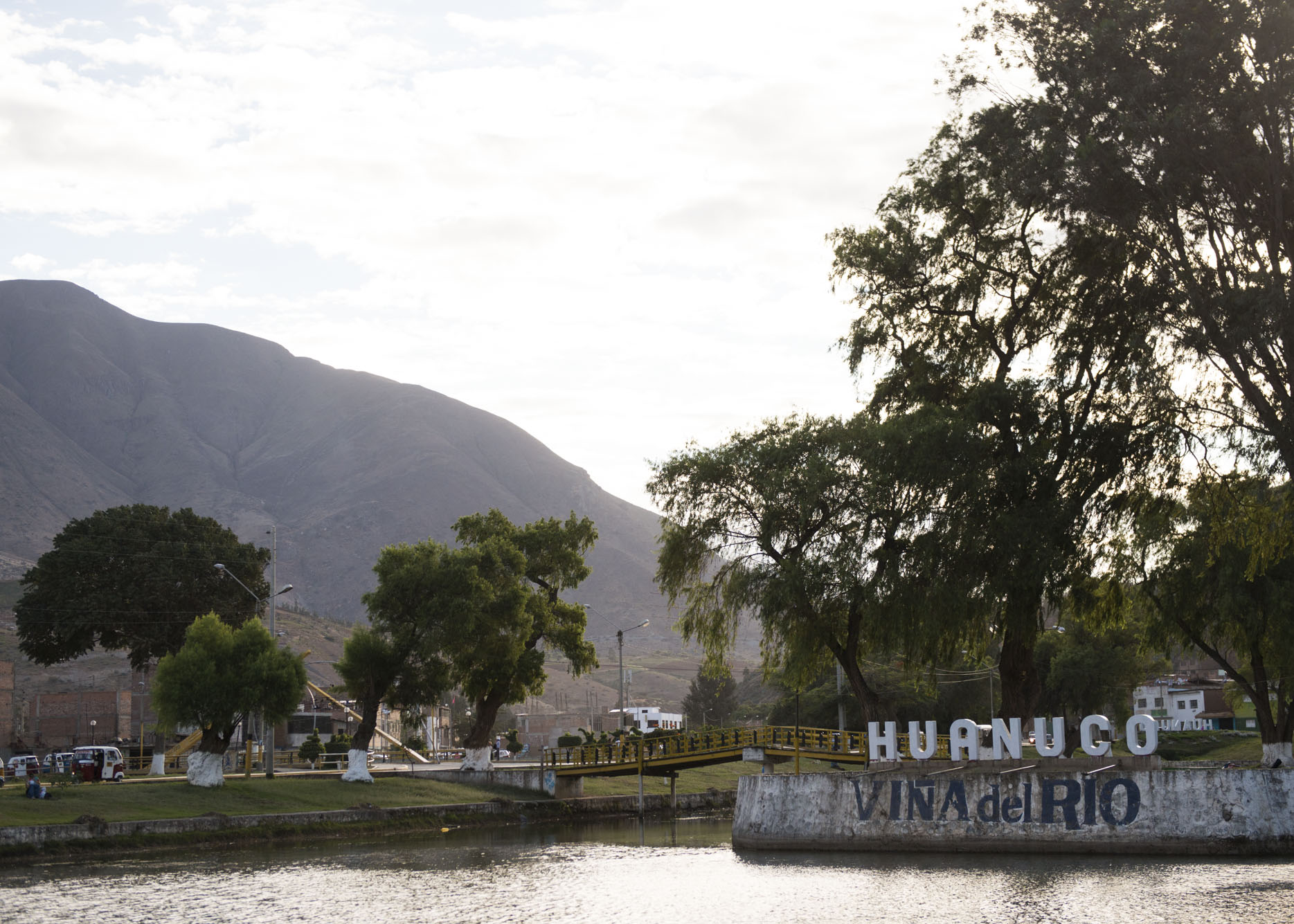
Taste and see that the LORD is good. Oh, the joys of those who take refuge in him! — Psalm 34:8 (NLT)
Have you ever baked something so good, you couldn’t wait for someone you love to taste it?
Maybe it was cinnamon rolls on a Saturday morning or your go-to chocolate chip cookie recipe. You could smell the sweetness filling the kitchen, and you knew the moment that person took a bite, their eyes would light up.
That’s how Mark described Bible translation.
“Our work is a little bit like we’re working in the kitchen, making something really special,” Mark said. “I usually say they’re cinnamon rolls; you can call them chocolate chip cookies, or brownies or whatever.
“We put it in the oven, and you can just smell it and think, ‘Wow, what a wonderful thing.’ If you have kids and they’re going to come home from school, you can’t wait for them to try it. To see them jumping around and being excited and saying, ‘Wow, this is really good!’”
Mark and his wife, Patti, aren’t bakers by trade — they’re Bible translators. For over 40 years, they have helped communities in Peru experience the sweetness of Scripture for the very first time.
They worked to help translate Scripture into multiple related Quechua languages. This is referred to as a “cluster project.” Praise God: The Bibles were all completed and dedicated a few years ago! Today those communities know the joy of holding complete Bibles in their hands.
You’d think the team would take a rest and enjoy the accomplishment. But Mark shook his head, no. There’s too much work to be done, he said. And for this team, it just couldn’t get done quickly enough. Like a sweet treat or savory sustenance, they love the translated Word.
Faithfulness Around the Table
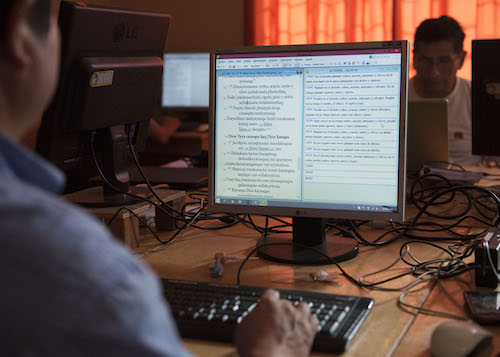
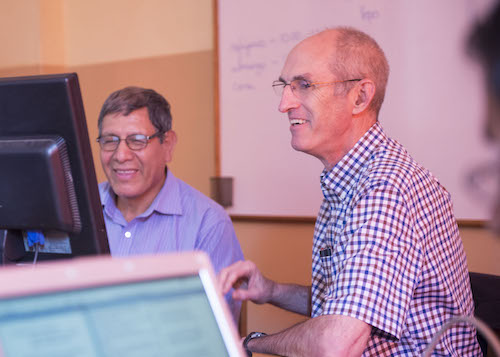
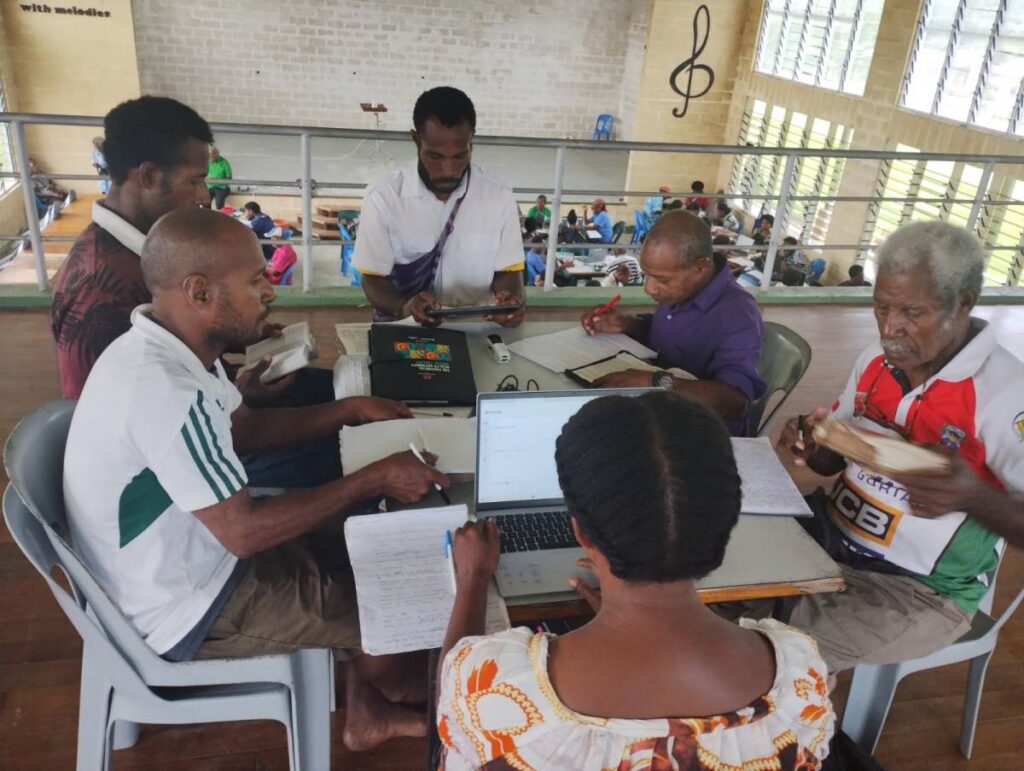
You can tell they love the Scriptures by the way they work diligently together. I watched quietly as they gathered around a table covered in computer monitors, cables, food wrappers, water bottles, Bibles and notes. The curtains were drawn tight across the windows to keep the glare from the sunlight off the computer screens.
Mark consulted with one of the translators on a verse or passage they had just finished. The others were deep in concentration, reading and making small edits here and there.
The white board behind Mark was full of notes in Quechua — foreign to me, but perfectly familiar to them. One of the translators didn’t feel well, but declined Mark’s invitation to quit early for the day. He’d rather keep working.
Love That Travels Miles
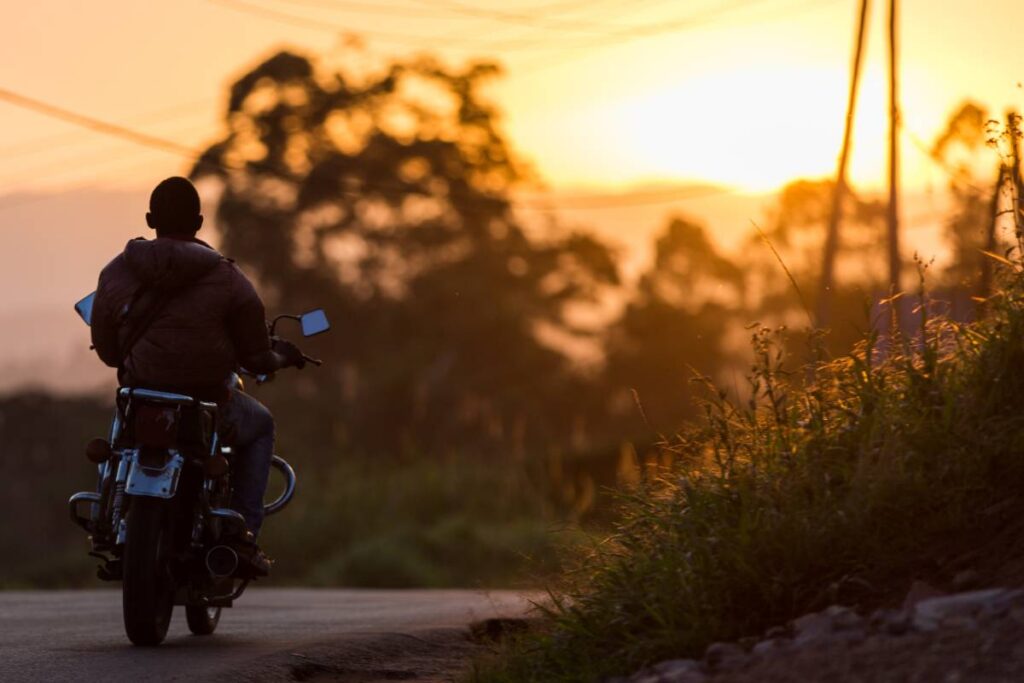
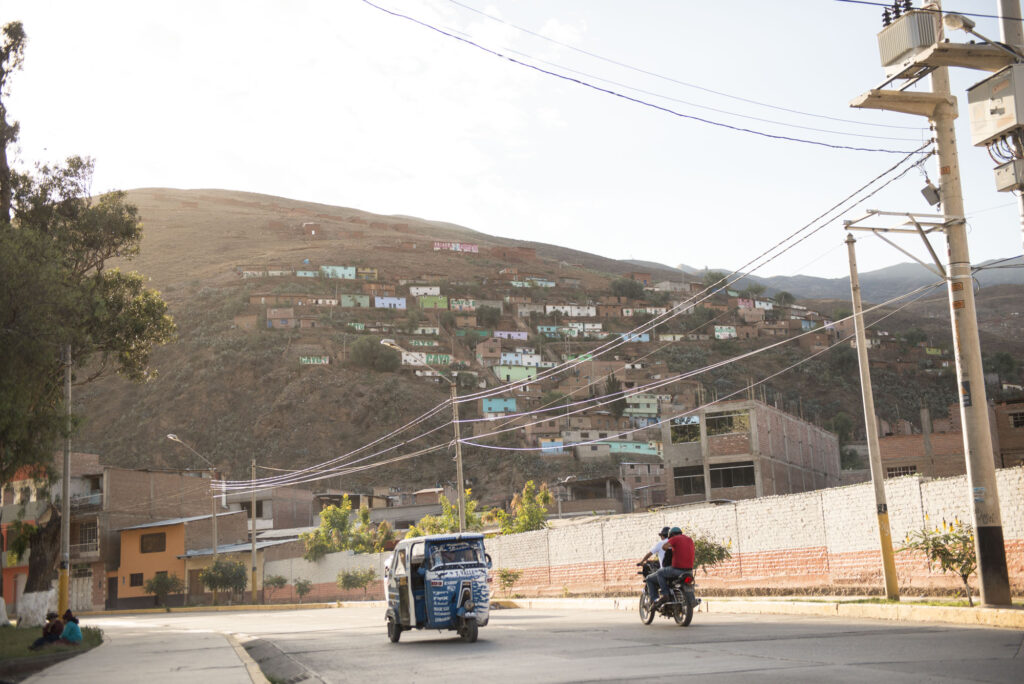
The team’s passion was reflected not just in their work ethic but in their sacrifices. One translator traveled from his Quechua village in the mountains down to a lower village — a three-day walk — and from there it’s a 10-hour drive to the workshop, if there’s a vehicle around.
Another man passed up other job opportunities — stable, better-paying opportunities — because he felt called to the work of Bible translation. Another felt guilty leaving his elderly mother behind when he came to translation workshops, because she felt alone and abandoned in their remote village.
Sometimes their wives and children would get sick, and they couldn’t be there for them. One translator almost missed the birth of his child because he was away at a workshop.
Cars broke down. Landslides blocked roads. “Better” offers came and went. Milestones and struggles happened in each of their families, and they usually missed them. Still, every morning and evening, the team members would call home to check in with loved ones — a small reminder of the cost.
“Taste and See”
So why did they keep showing up?
Because they believed in what they were doing. They believed in the power of God’s Word.
“We get to take it — and it’s not cinnamon rolls or brownies or something — but it’s God’s Word, and we take it out to people,” Mark said excitedly. “And maybe we have the only copy of a particular Bible book in existence in the entire world, and it’s in our hands.”
As he shared, his excitement was palpable.
“We read it to people or talk about it … and that’s the first time they’ve ever heard it in their language. It’s like, ‘Try it! Taste it! Taste and see! See what it’s like.’ And we see the expressions of delight and joy on their faces as they understand for the first time what God is saying in their own language, and it goes right into their heart.”
“We see the expressions of delight and joy on their faces as they understand for the first time.”
More Than a Job
If we’re being honest, there aren’t many of us who would tolerate the kind of commute the translators endure, or willingly miss important family moments or pass up stability and comfort for a job. How important would the work have to be to you to make it worth it?
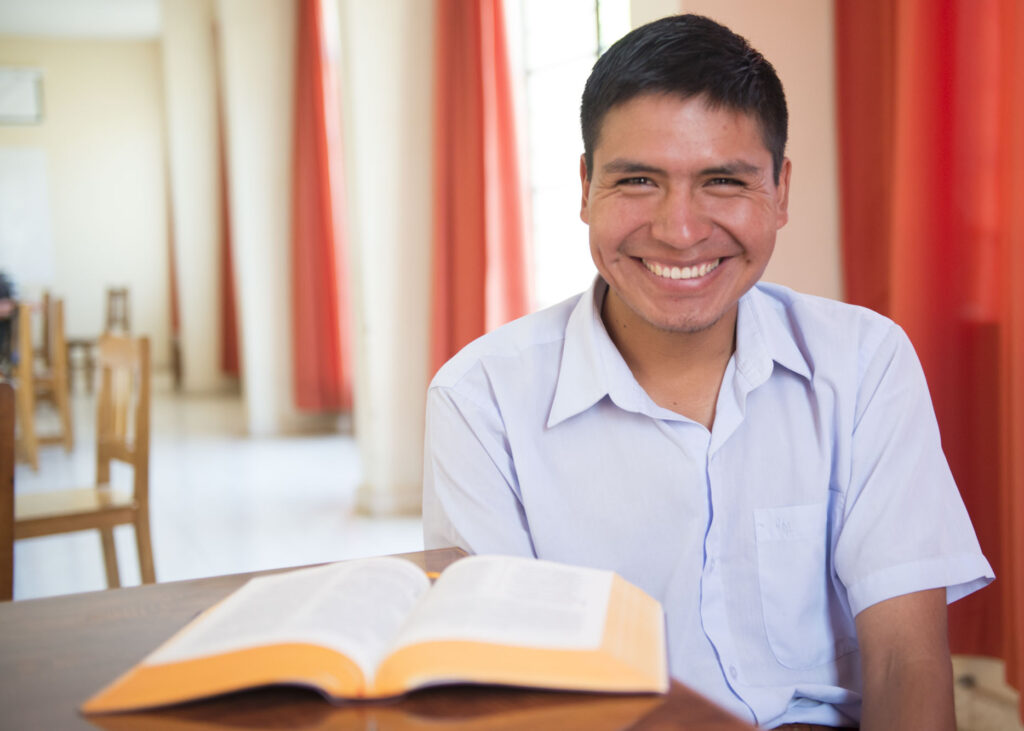
For this team, translation was more than a job. Translation work wasn’t just important — it was holy.
I watched translators working together, men and women who started as co-workers and now relate as brothers and sisters, drawing each and every word and phrase from God’s lips into the hearts of their people. For every person at that table, there’s a village of hundreds or thousands more whose access to God’s message hinges on this work.
The Sweetness of Scripture
One of the Quechua people’s favorite ways of referring to God’s Word is to say it’s misk’i, or “sweet.”
“A missionary can come in and preach or give a message or somebody can share about things, but then when he’s gone, he’s gone. But if the Bible is in your own language, it stays. God is His own missionary and testifies to Himself through His Word,” Mark said. “What a privilege we have to be able to prepare that sweetness of God’s Word, and then share it with people and see them taste and see as well.”
That’s why this team kept walking, translating and working late into the night: Because the Word of God is sweet, and everyone should have a chance to taste it.