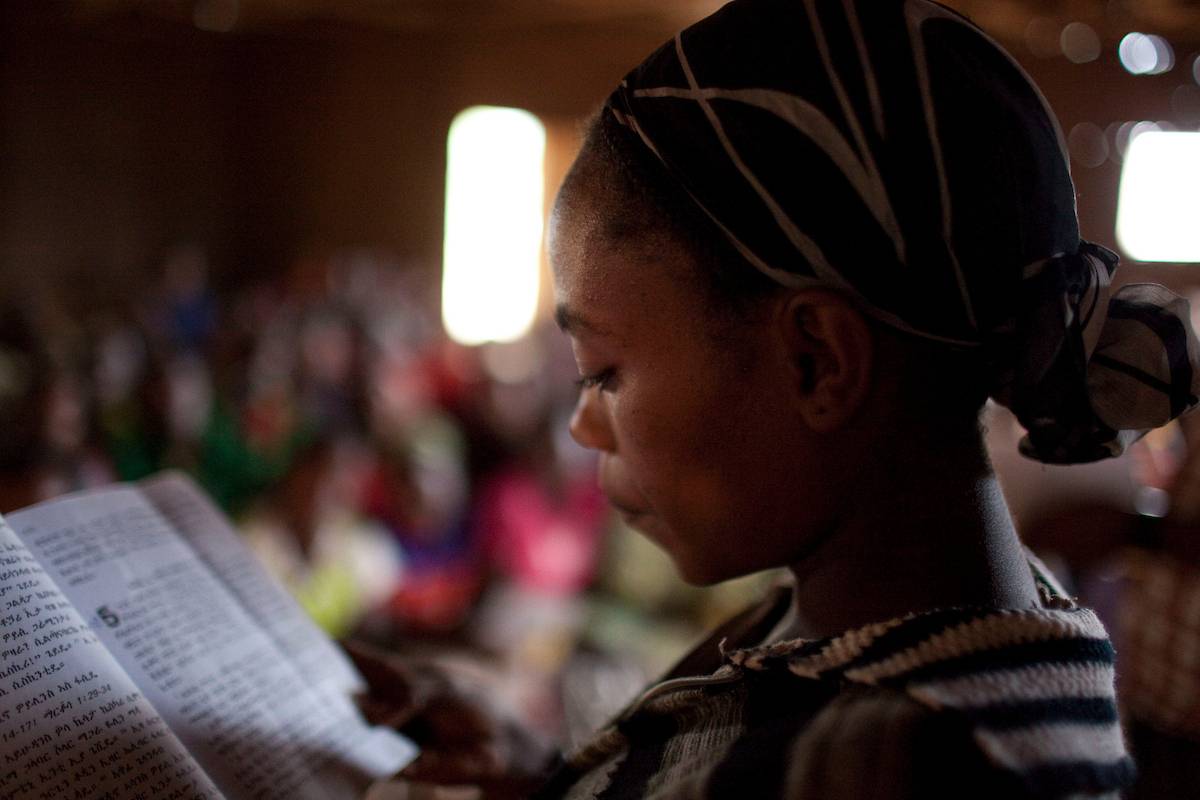
Every person carries an ache, often unspoken yet deeply felt: the longing to be seen.
This isn’t just a longing to be noticed in passing or acknowledged in a crowd but to be truly seen, known, valued and loved for who we are, not just what we’ve done.
In a world that often moves too fast for us to make eye contact with others and where performance is praised and pain is overlooked, many of us quietly wonder: “Does anyone really see me?”
Jesus does.
Throughout His ministry, Jesus stopped to notice the people others avoided. He paused in crowded streets, at dusty wells and beneath sycamore trees — not to perform but to connect, to look into the eyes of the unseen and affirm their dignity.
Scripture is full of these moments: stories where Jesus met shame with compassion and replaced invisibility with identity.
And Jesus still does this today. When people around the world receive Scripture in their own languages for the first time, many echo a similar response:
“Now I know God sees me. He knows me, and He knows my language.”
This is what it means to be seen by Jesus. In the lives of people in Scripture like Zacchaeus and the Samaritan woman, as well as in the stories of countless men, women and children around the world today, we see Jesus extending the same invitation: to come close, to be known and to be transformed. Their stories remind us that through the Word of God, people are discovering the life-changing truth that they are deeply known and profoundly loved.
Seen in the Crowd: The Story of Zacchaeus
In the crowd of Jericho, Zacchaeus was easy to overlook. He was short, but it was more than that: He was unwanted. As a dishonest Jewish tax collector for the occupying Roman government, Zacchaeus was shunned by his own people. His wealth didn’t protect him from shame.
So when Jesus came to town, Zacchaeus climbed a tree just to catch a glimpse of Jesus, likely assuming no one would notice him there (Luke 19:2-4).

But Jesus did.
“When Jesus came by, he looked up at Zacchaeus and called him by name. ‘Zacchaeus!’ he said. ‘Quick, come down! I must be a guest in your home today’” (Luke 19:5, NLT).
There was Zacchaeus — a guilt-laden outcast, dangling above an uncaring crowd. And there was Jesus, the miracle-working Son of God, pausing beneath the tree, looking up and locking eyes with Zacchaeus.
That moment changed everything. Zacchaeus, a man others ignored or despised, was called by name. Jesus saw his soul, not just his sin. Luke 19:6-10 (NLT) goes on to describe how that simple act of being seen caused Zacchaeus to change:
“Zacchaeus quickly climbed down and took Jesus to his house in great excitement and joy. But the people were displeased. ‘He has gone to be the guest of a notorious sinner,’ they grumbled.
Meanwhile, Zacchaeus stood before the Lord and said, ‘I will give half my wealth to the poor, Lord, and if I have cheated people on their taxes, I will give them back four times as much!’
Jesus responded, ‘Salvation has come to this home today, for this man has shown himself to be a true son of Abraham. For the Son of Man came to seek and save those who are lost.’”
A personal encounter with Jesus — truly being seen and known by Him — changed everything for Zacchaeus. He turned from his sin, acknowledged Jesus and was transformed forever.
Seen at the Well: The Samaritan Woman
Jesus didn’t just see the overlooked — He sought them out. In John 4, Jesus met a Samaritan woman drawing water in the heat of the day. She came alone, carrying the weight of her broken relationships and social shame.
This woman had been pushed to the margins of her community; her reputation followed her. When Jesus saw her, He had every cultural reason to ignore her. She was a Samaritan, a woman and known for her past.
But He didn’t look away. He began with a request that startled the woman: “Jesus said to her, ‘Please give me a drink.’ … The woman was surprised, for Jews refuse to have anything to do with Samaritans. She said to Jesus, ‘You are a Jew, and I am a Samaritan woman. Why are you asking me for a drink?’ Jesus replied, ‘If you only knew the gift God has for you and who you are speaking to, you would ask me, and I would give you living water’” (John 4:7b; 9-10, NLT).
Jesus knew the shame that the woman carried with her (John 4:16-18) but instead of rebuking her with judgment, Jesus offered her living water. He spoke directly and honestly, answered her questions and revealed that He knew her story. Yet He remained present — to the shock of His disciples (John 4:27).
Jesus saw more than the woman’s past. He saw her as a person.
The Samaritan woman’s response to Jesus was immediate. She ran to tell others, saying: “Come and see a man who told me everything I ever did!” (John 4:29a, NLT)
Because of the woman’s testimony, many people in her town — likely the same ones who shunned her — were desperate to meet Jesus as well and believed in Him (John 4:39-42).
A woman who once avoided people became a messenger of hope to her entire village. Being seen by Jesus changed her — and through her, it changed others too.
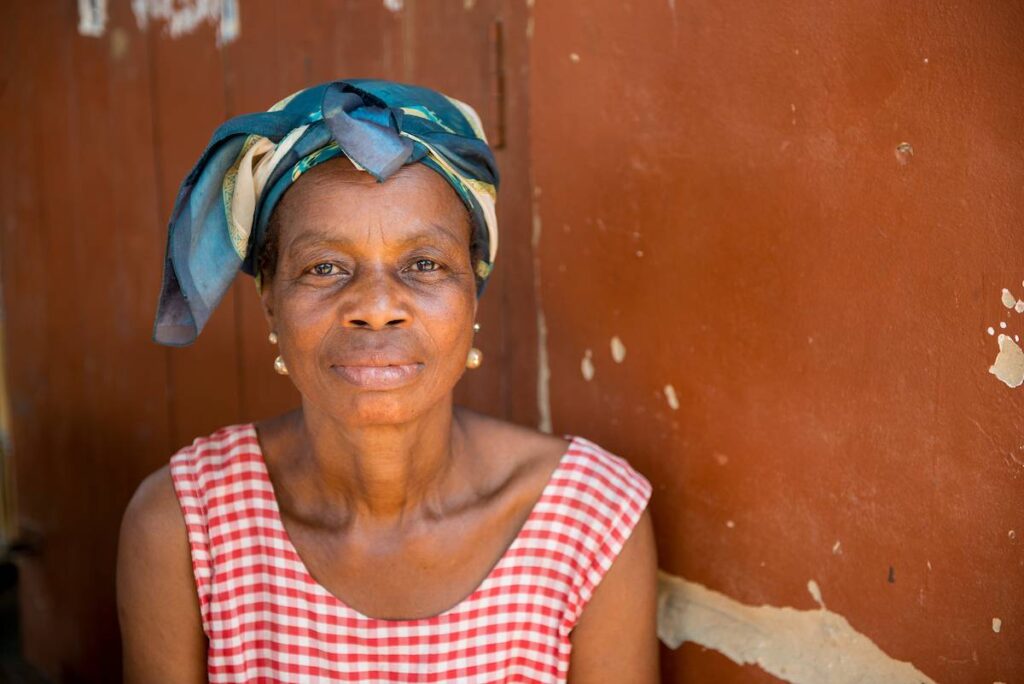
When one person is transformed by Jesus, the impact can have ripple effects, causing transformation to happen in families, communities and entire countries. Around the world, people are encountering God’s Word in their language and becoming disciple-makers who share that same hope with others.
Seen in Sign Language: Deaf Communities Worldwide
Throughout Scripture, Jesus stops for those who are often unseen or misunderstood. He notices what others might miss. For many Deaf communities around the world, that kind of intentional seeing resonates deeply — especially in places where access to Scripture has not always been available in a language and format that connects with their daily lives.
With nearly 400 known sign languages representing 70 million people, the global Deaf population is the largest unreached people group in the world. Of this population, less than 2% have encountered Jesus in a language and format they clearly understand. Most have never seen Jesus in a way that feels personal and true. But that’s changing.
In India, a team is translating the Bible into Indian Sign Language, creating video Scripture that Deaf communities can watch and understand clearly. Soon, Indian Sign Language will be the second sign language, after American Sign Language, to have the full Bible!
Carlos Silva, a Deaf pastor in Brazil, was transformed when he met Jesus. But because Carlos didn’t have the Bible in his own language, Brazilian Sign Language, he struggled to understand the text in written Portuguese.
Now Carlos’ daughter, Isadora, is growing up with something he didn’t have — a Bible in Brazilian Sign Language. She’s accepted Jesus as her Savior and is helping other Deaf children encounter Him too. For their family and thousands of others, the message is clear: Jesus sees the Deaf.
He always has.
Carlos is excited about the way God will use His translated Word in languages and formats people understand to change them forever:
“The time is now for translations to be done in all these languages so the hearts and minds can be opened and people can behold who God is. Then we can all be together in heaven, and we will all worship Him and wave our hands. We will be screaming or singing, ‘Marvelous, marvelous God!’”
Bible translation in sign language isn’t just about accessibility; it’s about dignity. It affirms that Deaf people are not on the fringes of God’s story but fully within it.
Jesus sees them. And through Scripture, they’re beginning to see Him too.
Seen in Their Language: The Siwu People
To be seen by Jesus is to know that your life, your story and your language matter to Him. That’s exactly what the Siwu people in Ghana experienced when the New Testament was translated into their language for the first time. For years, they heard Scripture only in English or Ewe — languages many didn’t fully understand. To some, it felt like God only spoke to other people, not to them.
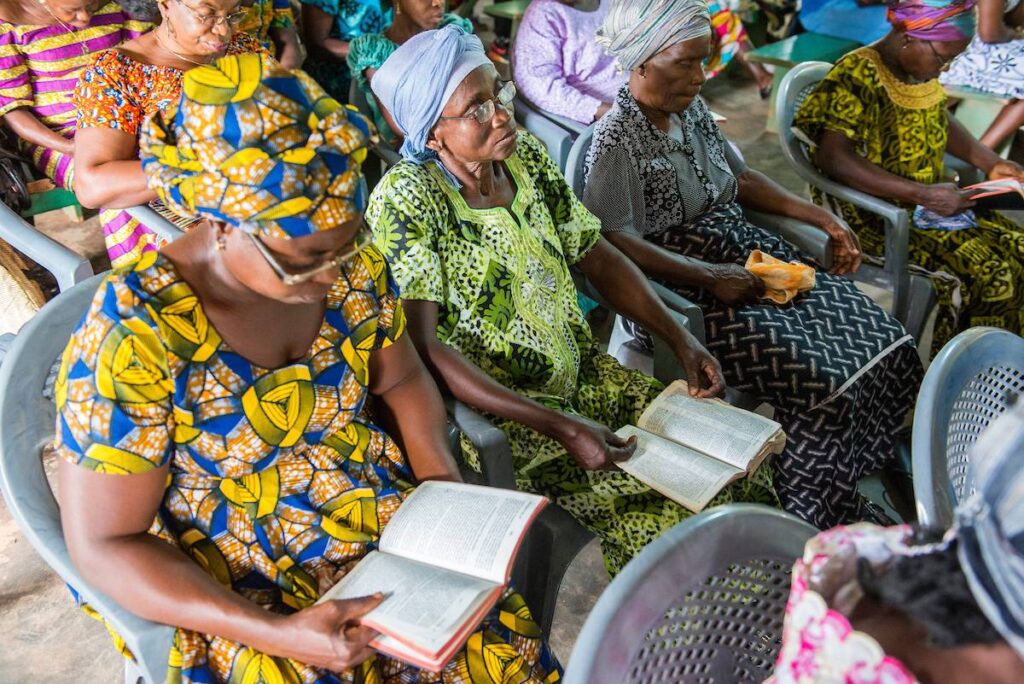
But when they heard Jesus’ words in Siwu, something shifted. “The Bible is so important to me because I can read it and take home [the message],” said Isaac Kraboe, a local Siwu speaker. “I don’t need anybody to come in and translate or explain it to me. Nothing is foreign or a barrier to me.”
In their own language, Scripture no longer felt distant — it felt personal. Jesus was no longer the God of someone else’s culture; He was near, and He saw them. The late Rev. Stephen Addai, a Siwu translator noted: “I’ve also seen that formerly people thought they could only pray in Ewe. But no, we taught them, ‘God understands Siwu.’”
When people experience God’s Word in a language they fully understand, it transforms people’s lives. It changes the way they think, act and pray; it changes their relationship with God. Like Zacchaeus in the tree or the woman at the well, the Siwu people discovered what it means to be truly seen by Jesus — and to be invited into dignity, healing and belonging through His Word in their language.
The Power of Being Seen and Known
Jesus knew that to restore people, He first had to acknowledge their worth. Zacchaeus, the Samaritan woman, Deaf communities, the Siwu speakers — all were seen just as they were and loved by God.
And when Jesus saw them, something remarkable happened: Their shame and labels began to fall away. They saw themselves not through the eyes of judgment or rejection but through the eyes of love. They discovered who they truly were — people known and valued by the God who made them.
That kind of transformation still happens today. But not everyone has had the chance to experience it.
Millions of men, women and children around the world are still waiting to know that they are seen and loved by Jesus. Why? Because they don’t yet have access to God’s Word in a language and format they clearly understand. For many, Scripture still feels foreign or incomplete.
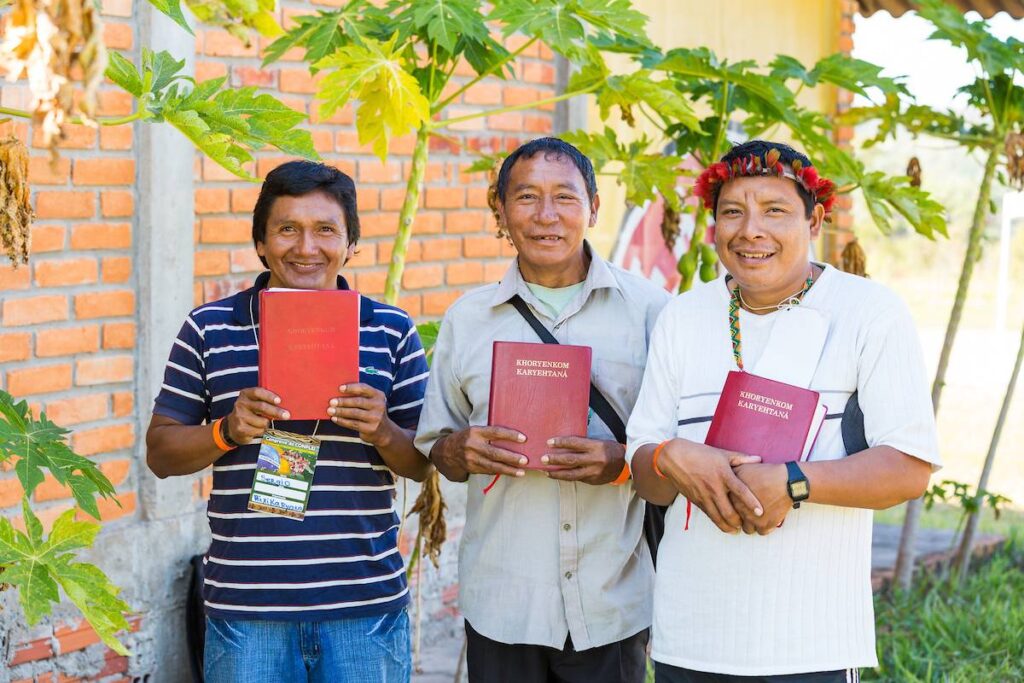
Bible translation is changing that. It brings the message of God’s love into the very heart of a person’s identity — into a language they think in, dream in, pray in and communicate in. And in that sacred space, people realize: “God sees me. He knows my language. I matter to Him.”
Invited Into Reflection
Ask yourself these questions to reflect:
- What do I believe Jesus sees when He looks at me?
- How would my life change if I lived from a foundation of being seen, known and loved by Jesus?
- Who is someone I’ve overlooked, who might need to be seen and invited into dignity?
- In what ways might God be inviting me to help others feel seen and known?
Want to reflect Jesus’ heart in how you see others?
Our Wycliffe Prayer Community connects you with other people and helps you pray for language communities around the world who are still waiting to be seen — and known — through Scripture.